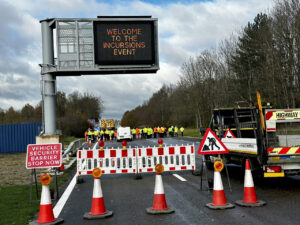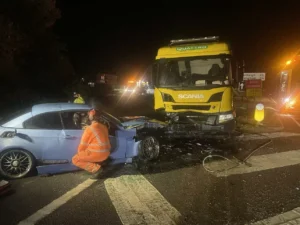
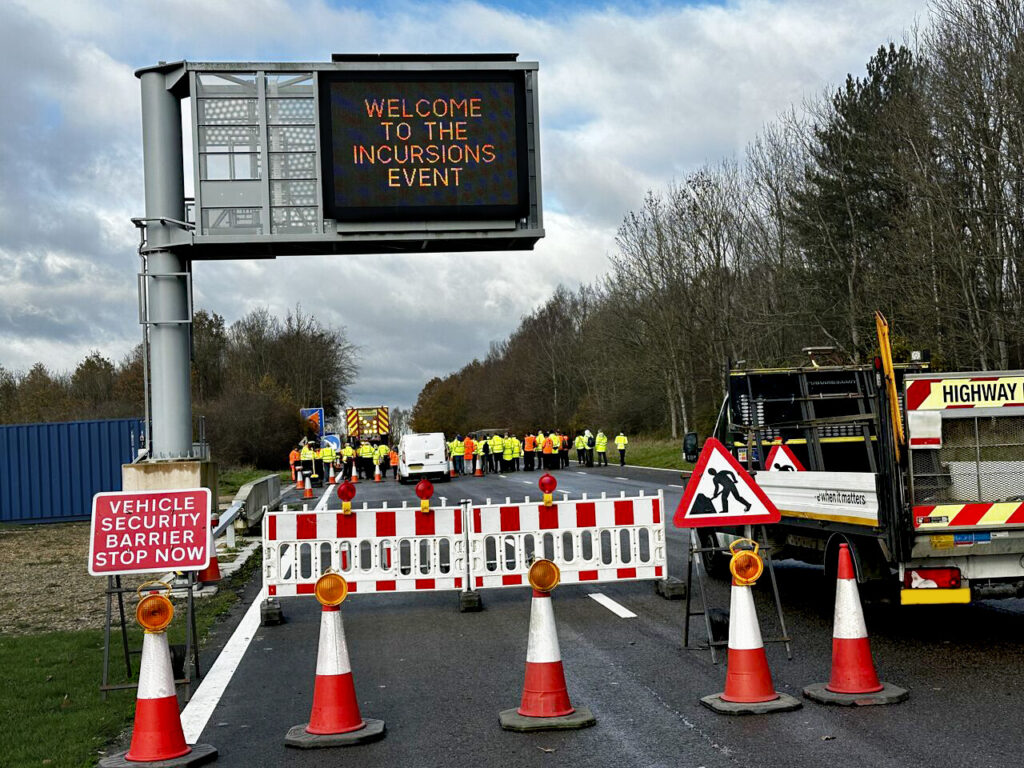
The Incursions Working Group (IWG) is encouraging organisations and individuals across the highways industry to share their experience and help develop practical ways to prevent vehicles entering roadworks and putting roadworkers in danger.
Established in 2017, the group brings together around 50 organisations, including clients, contractors, designers, traffic management companies, technology providers, other suppliers and highway authorities.
Its work focuses on sharing knowledge, examining incidents, developing guidance and assessing technologies and approaches that could help protect people working on roads.

In the group’s 2025 survey of roadworkers, 94% of respondents said they had witnessed incursions. The IWG highlights that the consequences extend beyond those working on the road to their families and colleagues.
Since 2017, the group has collected 25,000 incursion records relating to strategic roads in England. This information helps it understand why incursions happen and informs industry guidance, improvements to designs and the assessment of new technologies.
One recent example is the publication of guidance on protecting roadworkers from determined vehicles. By examining real incidents and their causes, the group aims to turn shared learning into practical measures that organisations can adopt.
The IWG brings members together to share experiences and challenge existing practices, putting commercial interests to one side. Its involvement extends beyond England, including organisations in the Republic of Ireland and Scotland.
IWG and NEFRA
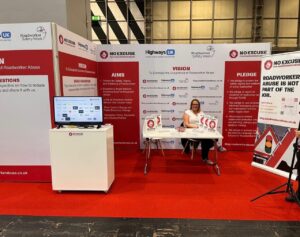
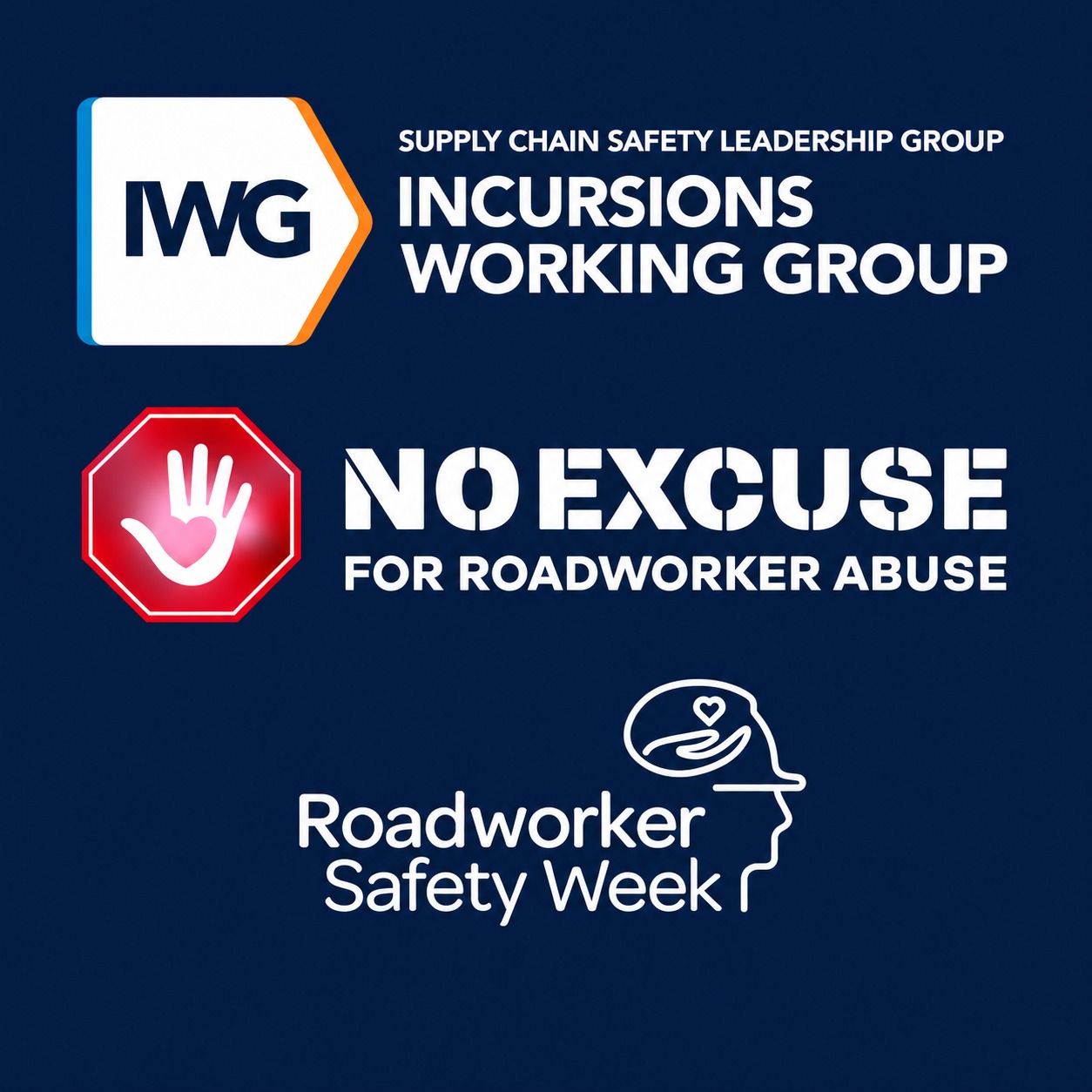
The IWG’s work complements that of No Excuse for Roadworker Abuse (NEFRA), with both groups working to protect roadworkers through their respective focus on vehicle incursions and abusive behaviour.
James Haluch, Chair of IWG, and Paula Parsons, Chair of NEFRA, said in a joint statement:
“The Incursions Working Group (IWG) and No Excuse for Roadworker Abuse (NEFRA) have a shared ambition: to improve the safety, wellbeing and protection of everyone working on and around the UK’s road network.
“While each group has a distinct focus, our work is closely aligned. The IWG concentrates on eliminating the risk of vehicle incursions into roadworks and improving the industry’s understanding of intrusion events, near misses and vehicle strikes. Through collaboration, learning and the development of practical controls, the group helps organisations reduce exposure to some of the most significant physical risks faced by roadworkers.
“NEFRA focuses on the behavioural risks that roadworkers experience, including verbal abuse, threats, intimidation and physical aggression. By bringing together organisations from across the highways and utilities sectors, NEFRA is creating a national evidence base, promoting consistent reporting and driving positive culture change through education, awareness and collaboration. Using data, insight and lived experience, NEFRA will also support the development of industry best practice, guidance and behavioural interventions designed to improve the safety, wellbeing and protection of frontline workers.
“Together, these initiatives recognise that protecting roadworkers requires both the management of physical risk and the improvement of public behaviour. Data, insight and learning from each group help build a more complete understanding of the challenges facing frontline workers and support the development of coordinated industry responses.
“By working alongside one another, the IWG and NEFRA are helping to create safer working environments, stronger reporting and a more respectful culture for those who plan, build, maintain and operate our road networks.”
Preventing incursions and reducing exposure
Alongside measures to prevent incursions, the IWG wants the industry to challenge how roadworks are designed and whether people need to work alongside live traffic at all.
On strategic roads in England, full closures and lane closures have increased by more than 50% since 2019. The group is calling for greater emphasis on planning, combining activities and reducing the need for closures, with the aim of removing exposure to risk wherever possible.
The IWG also wants learning to reach beyond its meetings to roadworkers, designers and those making decisions about how work is delivered. It encourages organisations to share incidents and experiences, including where things have not gone well, so that lessons can inform changes on the front line.
Warning systems, vehicle mitigation and automated solutions offer opportunities to improve safety. The group helps bring organisations together to demonstrate and evaluate ideas, including approaches used overseas, and support the adoption of promising solutions.
It also recognises that innovation includes finding better ways to plan and undertake work so that fewer people are exposed to risk.
The IWG welcomes contributions from across the sector, including roadworkers who have encountered a problem, designers exploring different approaches and suppliers developing new technology.
By sharing experience, reporting incidents and taking part in the group’s activities, individuals and organisations can help develop better ways to protect people working on roads.
(Pictures: IWG/NEFRA)