The updated Traffic Signs Manual, Chapter 8, has been published, marking an important development for the temporary traffic management industry.
The new edition, titled Traffic Safety Measures and Signs for Road Works and Temporary Situations, has been published by the Department for Transport (DfT) and brings together the previous three-part Chapter 8 guidance into one consolidated document.
The 611-page publication provides guidance on the planning, design and implementation of temporary traffic management arrangements for road works, street works and other temporary situations. It also covers the installation, maintenance and removal of temporary signs and equipment.

Chapter 8 is an important reference for highway authorities, contractors and organisations involved in temporary traffic management, helping the industry meet legal requirements and follow recognised good practice.
The revised publication is intended to make the guidance easier to access and navigate, bringing previously separate sections together and reducing duplication and the need for cross-referencing.
National Highways, which is responsible for maintaining and updating Chapter 8 on behalf of the DfT, has also introduced a formal change control process to allow members of the industry to put forward suggestions for future amendments.
The process is designed to give the sector a greater opportunity to contribute its knowledge and experience to the development of the guidance. Proposed changes will be considered by a review panel before recommendations are considered by an industry steering group.
Submission deadlines have been set for March 2027 for Category A and B proposals, and June 2027 for Category C submissions.
Meanwhile, the Traffic Management Contractors Association (TMCA) has prepared a response document for its members, setting out the association’s position on the updated Chapter 8 and providing guidance on the next steps members should consider.
The document is intended to help members understand the implications of the revised publication and consider how best to respond to the changes and the opportunities presented by the new process.
The publication represents an important point of reference for those working across the temporary traffic management sector, with industry engagement likely to play an important role in shaping future developments.
The updated Traffic Signs Manual, Chapter 8, is available to view HERE.
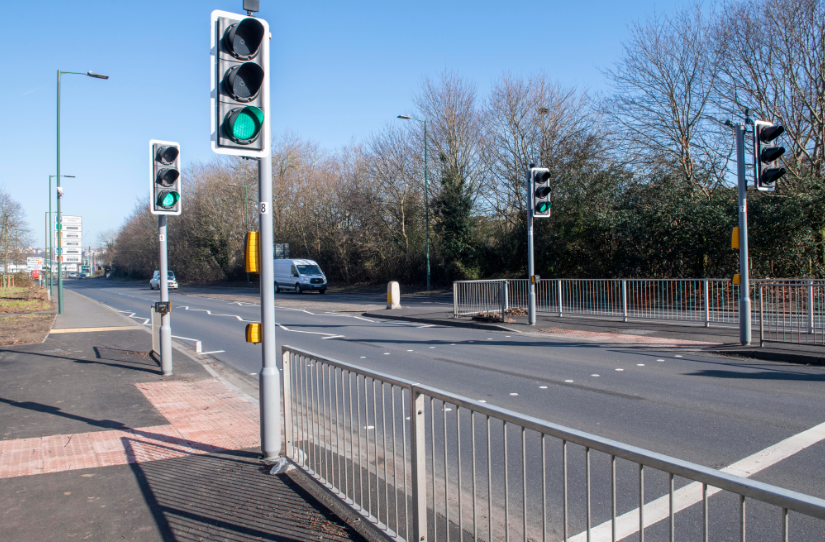
(Picture: Transport Nottingham)