Smart city technologies have been around for 10-15 years, but advances in video technology and AI make it easier for city leaders to gain value from connected devices across a range of applications, from transportation and public safety to energy, says John Lutz Boorman, head of product and marketing, Hanwha Vision Europe.
Today, the global smart city market size is estimated to be nearly $900 billion. And, according to Grandiew Research, it is projected to exceed $3.7 trillion by 2030, with compound annual growth rates (CAGR) estimated at 29.4%.
In Europe, there are an estimated 54 successful smart city initiatives implemented in 113 cities, including smart lighting in Milan and modernised security in Edinburgh.
Advances in AI provide value creation beyond security
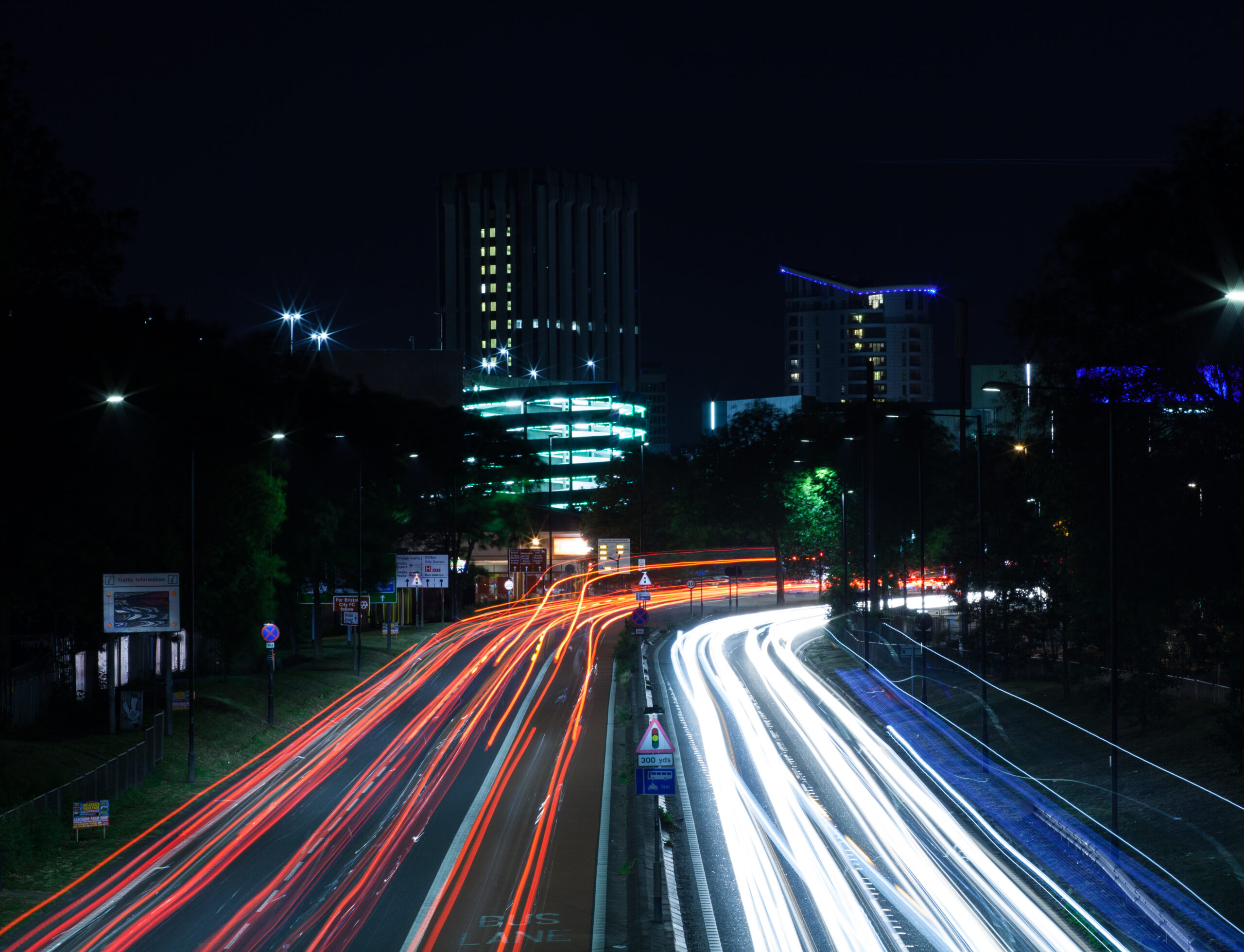
Advances in AI and video data analytics are transforming cameras and connected devices into strategic value drivers for city leaders. For example, integrating traditional surveillance with AI insights helps leaders to improve transportation systems, traffic management, situational awareness, resource allocation, and emergency responses. Video analytics insights can tell leaders if certain routes or times of day experience high traffic congestion, leading to the proactive opening of new routes and redirection of traffic towards quieter roads. This eases congestion and improves the citizen experience while also reducing emissions.
Automatic incident detection can alert city operators to accidents or vehicles that are driving unsafely (up the wrong road or stopped suddenly, for example). Operators can take rapid action to prevent the incident from escalating by alerting emergency response teams, redirecting traffic, closing roads, and sharing information in real-time with drivers.
Cameras used for parking management can provide real-time updates on available car park spaces to drivers, reducing the time taken to find parking and, again, reducing congestion and emissions. Exit and entry via barriers can be automated, with fees automatically charged to drivers, reducing operator workload and improving team efficiency.
Long-term, road usage data from the cameras can inform city planning and public transport routes, while sensor data on air pollution and particulate matter can alert leaders to adjust traffic flows and close areas around schools, hospitals, and residential streets at certain times of day.
Doing more with less
City leaders are benefiting from enhancements to cameras, that allow them to generate benefits that extend well beyond traditional security monitoring to achieve more value and returns on their investments. Edge AI cameras can carry out analytics on the devices themselves, enabling low-latency real-time alerts and reducing server needs. Equipped with this built-in analytics, cameras can facilitate truly intelligent transportation and surveillance functions. A significant focus area in ITS is “active mitigation,” which involves identifying and
mitigating issues before they become major problems, through regular monitoring and preventive actions.
Deep learning analytics minimise false alarms from wildlife, shadows, or moving trees due to wind, meaning operators respond only to significant alerts and fatigue is kept to a minimum. PTZ cameras equipped with AI auto-tracking can automatically track the movement of objects across connected cameras, and Smart Search can significantly reduce the time needed to search for a crime scene, suspects, or missing people.
One device connected through a single data link can monitor and record multiple key areas, each with unique fields of view, such as parks and other public spaces, intersections, roads, sidewalks, and shared pathways. A single camera can help city officials to track pedestrian street-crossing patterns, detect double parking, jaywalking, near misses, and collisions, or manage work zones. They can capture footage to aid with law enforcement investigations or to inform scheduling. Multi-sensor cameras make this efficiency and dual-function performance even easier.
The future of smart cities is ITS
If the goal of a smart city project is to create a more intelligent, efficient, and safe urban environment, then interconnectivity between cameras and other devices is needed to share data and insights effectively. Analytics have reached a tipping point where they can potentially replace existing sensors and deliver value far beyond traditional surveillance.
Implementing the latest innovations in smart city and ITS technologies requires close alignment and collaboration between city agencies and departments, helping to share resources and maximise returns. A forward-thinking approach to ITS and smart city development hinges on a holistic strategy that combines multi-agency collaboration, technology, and funding. Strike the right balance and execute this properly, and your city and citizens will feel safer, more secure and efficient.
(Picture: Shutterstock, supplied by Hanwha Vision Europe)