Persistent flooding on the main access road into the village of Waterloo in Caerphilly risks leaving the hamlet entirely cut off during severe weather, a community councillor has warned.
The road near the former Waterloo Paintworks has flooded repeatedly due to an undersized culvert unable to cope with heavy rainfall. During recent storms, a fallen tree blocked the community’s only alternative route while the main road remained submerged, says the Caerphilly Observer.
Machen community councillor Steve Aicheler has written to Caerphilly County Borough Council’s new cabinet member for highways, Cllr Amanda McConnell, calling for an immediate resolution.

Cllr Aicheler warned the blockage highlighted how fragile access to Waterloo, near Machen, has become.
He said: “One resident I spoke to told me how vulnerable they felt during the storm, knowing that a fallen tree had blocked the other way into the village.
“Just imagine needing an ambulance or the fire service and finding that both roads are impassable. Thankfully, I’m not aware of that having happened, but we shouldn’t have to wait for an emergency before taking this seriously.
“This isn’t just about people getting to work late or having to make a longer journey. It’s about people being able to get safely in and out of their own village.”
Drainage issues in the area have remained unresolved for years, Cllr Aicheler said.
The council listed an inspection of the culvert’s capacity in its 2021/22 drainage priorities. A multi-agency meeting with council engineers, local politicians, and residents was held in November 2024 to agree actions at the former paintworks site, but the route continues to flood.
Cllr Aicheler has submitted requests under Environmental Information Regulations to establish what work has taken place and why there is still no permanent fix.
While the problem involves private land, he argued the local authority has statutory powers to intervene.
“I understand that the drainage problem involves privately owned land and that the council has been talking to the landowners, but those discussions have been going on for years. At what point does the council decide that enough is enough?
“The council has legal powers that can allow it to undertake drainage works on private land. I’m asking whether those powers have been properly considered and, if they have, why we still haven’t got a solution.
“Even if the council isn’t legally obliged to pay for the necessary work, surely keeping a village safely accessible is exactly the sort of thing we should expect our council to do.”
He added: “Of course public money is tight, but that can’t be an excuse for allowing a known problem to continue indefinitely. There may be questions about who should ultimately pay, but those arguments shouldn’t hold up a permanent solution.”
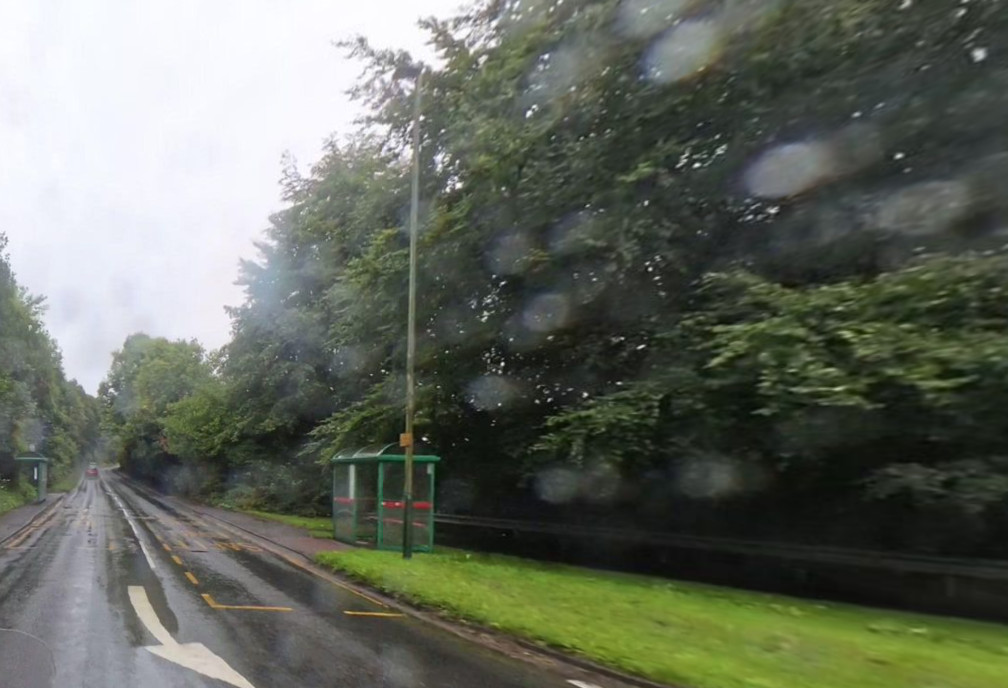
(Picture: Mapillary)