Local highway authorities should consider increasing monitoring of critical slopes, cuttings and retaining walls as they adapt road maintenance to a changing climate, delegates at LCRIG’s Strictly Highways conference have heard.
Speaking in Blackpool, Arcadis Senior Technical Director Andy Warrington urged councils to review whether their data collection was helping them understand the risks facing their networks.
Presenting guidance developed with local authority highway asset and network managers, Mr Warrington questioned whether geotechnical assets were receiving sufficient attention.
“Are we thinking enough about our geotechnical assets — slopes, cuttings, retaining walls, other geotechnical assets? How much monitoring do we do of those? Are we collecting the right data?” he asked.
He suggested authorities could reconsider the balance of their monitoring activity.
“I certainly think there’s a great case for increasing the monitoring of some of our more critical geotechnical assets, and perhaps a bit less data collection of some of our other assets,” he said.
Mr Warrington’s presentation focused on incorporating climate risks into existing asset management strategies, with practical changes to maintenance and service delivery helping strengthen network resilience.
He said adaptation had “almost been playing a little bit of second fiddle” to work on reducing carbon emissions, but welcomed its return to greater prominence.
Alongside preparing for individual storms and floods, he highlighted the need to consider weather conditions lasting several days or weeks, including heatwaves and prolonged rainfall.
Mr Warrington said established maintenance techniques could play an increasingly important role. Sealing road surfaces through surface dressing or other treatments was one practical response to damage associated with prolonged rainfall.
He also urged councils to consider changing seasonal demands when preparing long-term maintenance contracts.
Authorities using the same drivers for summer grass cutting and winter gritting, for example, should assess how changing seasons could affect that arrangement over contracts lasting 10, 15 or 20 years.
Considering those risks during procurement could help reduce future cost impacts, he suggested.
Mr Warrington said adaptation also involved reviewing service levels and public expectations before progressing to infrastructure renewal or major capital investment.
“This is really about changing mindsets, changing service levels, changing public expectations,” he said.
He encouraged authorities to begin by assessing the effects of rainfall, heatwaves and storms on drainage, structures, road surfaces and geotechnical assets, tailoring their response to local conditions.
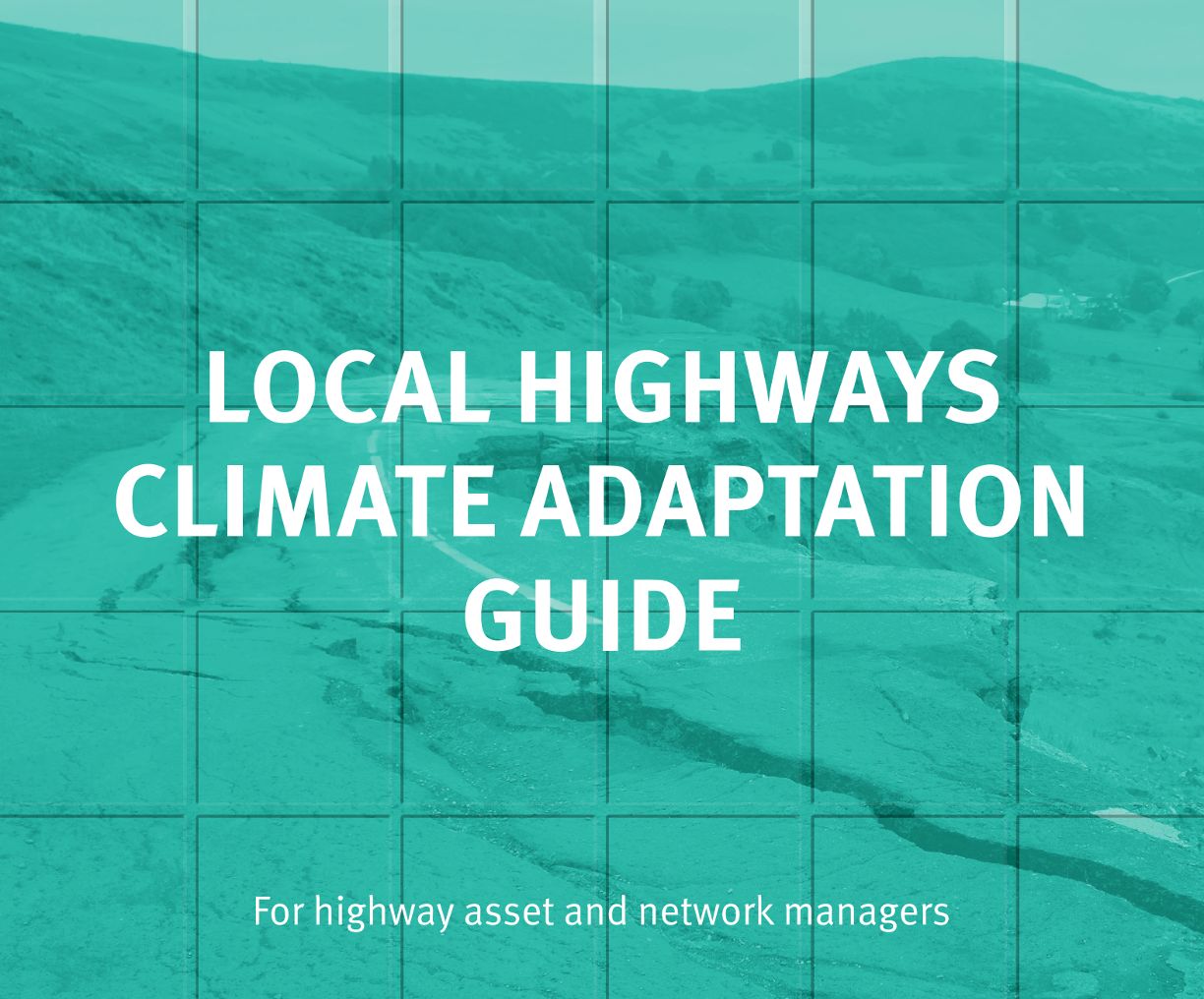
The free Local Highways Climate Adaptation Guide, published by the Association of Directors of Environment, Economy, Planning and Transport (ADEPT), covers updating a resilient route network, undertaking a local risk assessment and incorporating adaptation into an asset management plan.
Mr Warrington stressed that the guidance had been developed by the sector for the sector, and encouraged asset and network managers to use it to integrate climate risks into their existing work.
The guide is available from ADEPT.
(Picture – LCRIG)