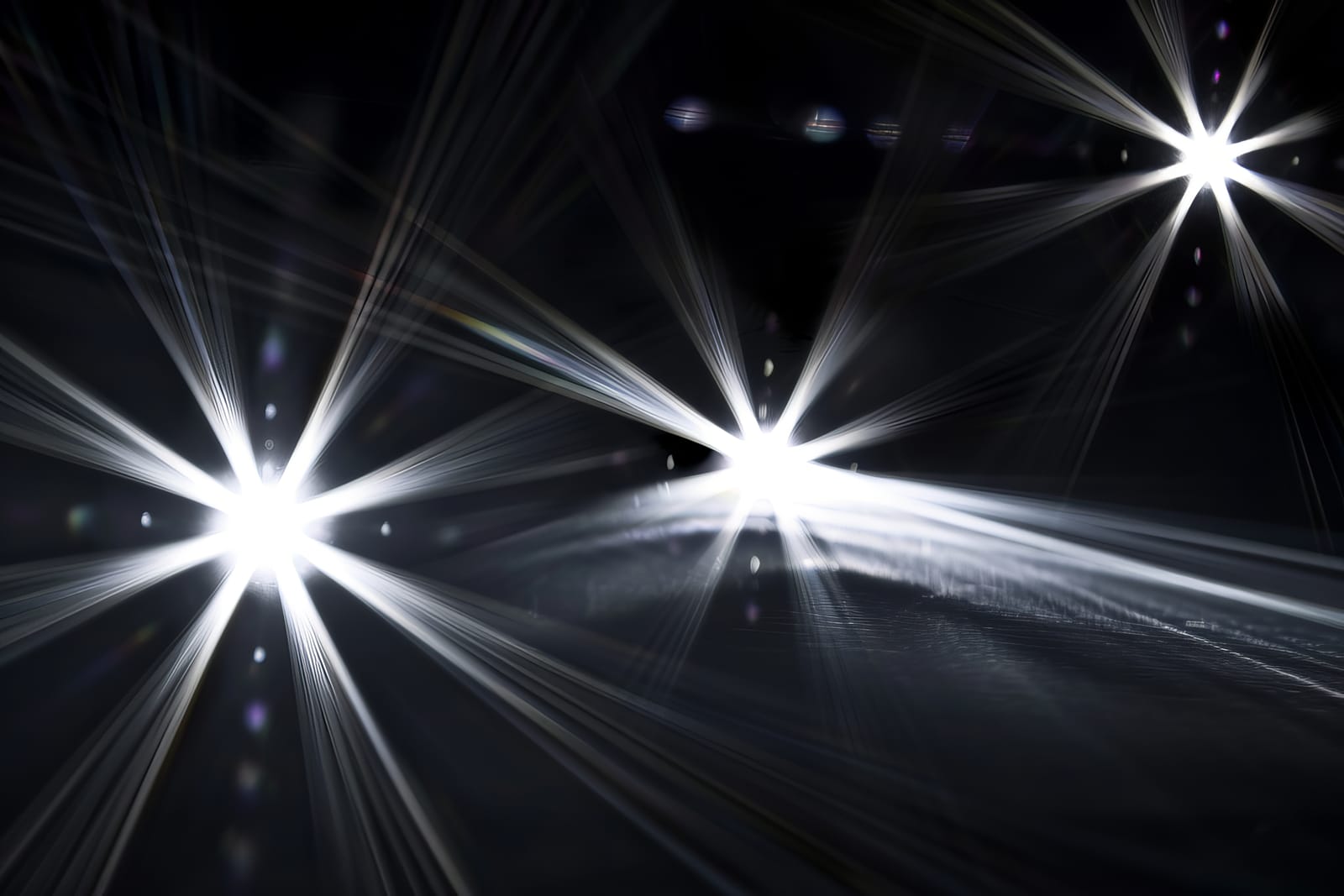
Motorists who drive in the hours of darkness are increasingly finding the dazzle of LED headlights a distraction at best. At worst, a temporarily blinded driver can be in serious trouble, as happened to popular Woman’s Hour host Dame Jenni Murray in March, reports The Times.
A statement read out at the inquest into her death at Barnet Coroner’s Court said:
“Jennifer had been driving when she became dazzled by vehicle lights and collided with two stationary vehicles.”
Although she emerged from the vehicle independently, Murray suffered fractures to her rib and sternum in the collision which contributed to her death from bronchopneumonia.
The problem of dazzling headlights has worsened over the past year, according to 57 per cent of drivers surveyed by the RAC. Of the 1,745 UK drivers interviewed, 63 per cent say they are subjected to dazzle from vehicles behind that they can’t avoid.
A quarter of the respondents who find headlights too bright say they either drive less or have given up driving at night, with an increasing number of drivers under the age of 35 saying they are affected. Almost half (45 per cent) of respondents now drive less after dark because it makes them feel unsafe.
A Government-commissioned report last November found what almost every driver already knows: in their efforts to make cars safer and improve visibility at night for drivers, car manufacturers have inadvertently gone too far and made driving after dark unpleasant, if not downright unsafe.
One of the report’s most eye-catching conclusions is that car lighting regulations, primarily dating from 1989, need to be brought into the 21st century and adapted to be more applicable to modern lighting technology.
The report by TRL also found that higher vehicles, such as some SUVs and lorries are more likely to dazzle drivers in “low” or “normal” cars. And no surprises: whiter lights, often from cars fitted with LED units, caused more glare to drivers than the warmer tones of older lights. Prolonged exposure to blue-white LED light can trigger headaches and even migraines in some drivers, too.
As well as surveying drivers, TRL fitted a left-hand drive car with specialist equipment in its front passenger seat to measure the glare drivers experience from oncoming vehicles. The report said: “We found that as brightness in the screen increased, glare was more likely. It was also more likely if the camera car was going uphill, or around a right-hand bend.”
Dr Paramdeep Bilkhu, clinical adviser at the College of Optometrists, says:
“Drivers are increasingly struggling with glare from modern headlights and many are now choosing to avoid driving in the evening and night altogether, so it’s resulting in people losing their independence.
“Glare is more common among older drivers as when we age, the natural lens in the eye gradually becomes cloudier. This can increase the effect of light scatter and make glare worse
(Picture: Yay Images)