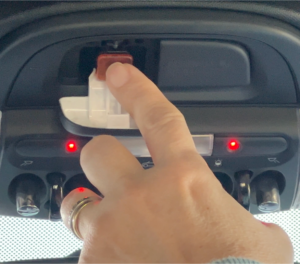
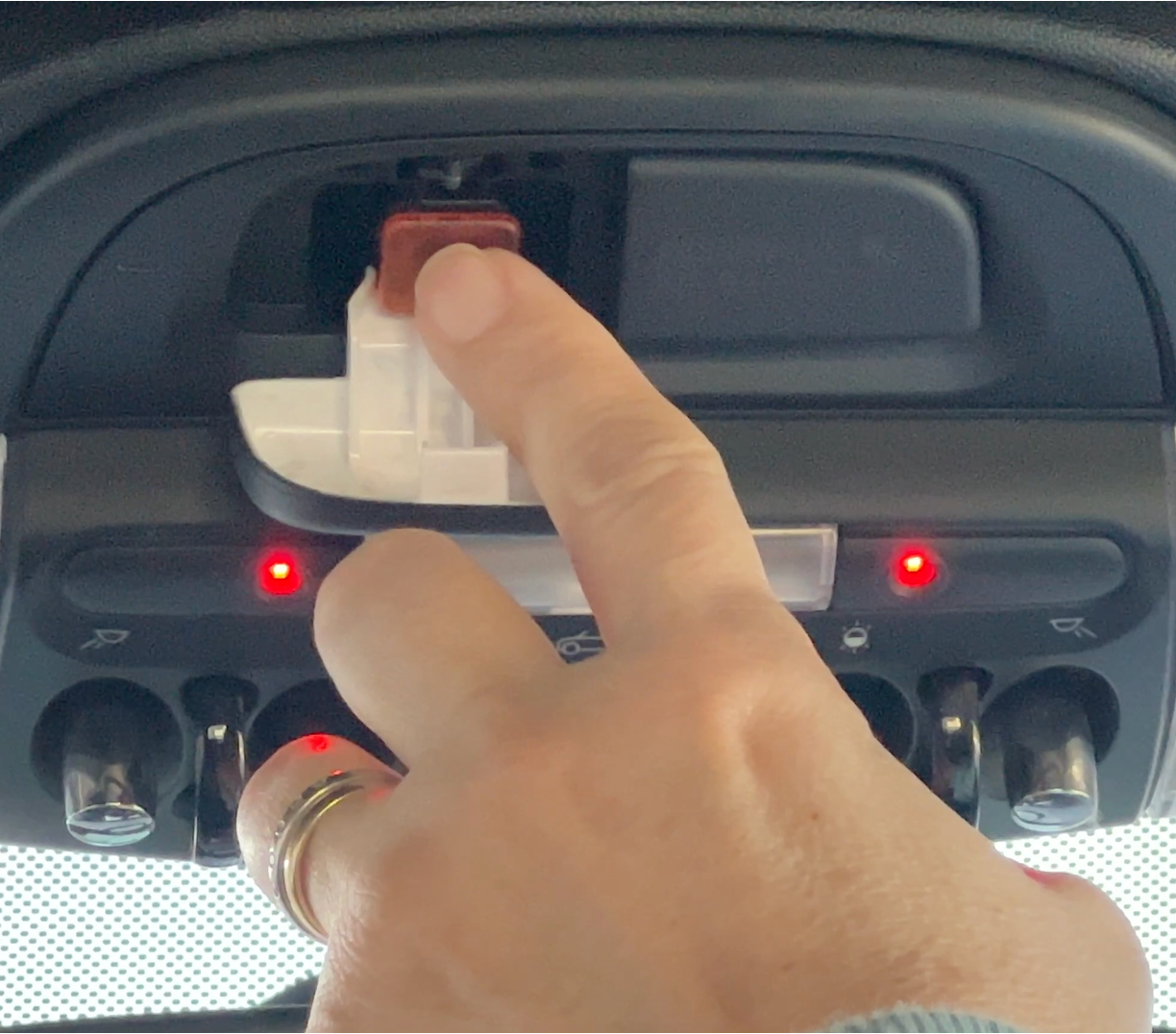
Connected vehicle safety specialist VESOS is warning that confusion over the delayed introduction of Next Generation eCall risks obscuring the significant road safety benefits already being delivered by millions of existing eCall-equipped vehicles.
The company has published a new blog responding to recent Government guidance which says Next Generation eCall fitted to most new cars and light commercial vehicles registered since September 2025 should not be relied upon in an emergency before the UK infrastructure needed to support it is upgraded. The Government says those changes are expected to be completed by 31 March 2027.
VESOS says some coverage of the announcement has given the impression that eCall itself is no longer reliable, when the issue relates specifically to the new generation of the technology using 4G and 5G networks.
In its blog, VESOS points out that more than ten million cars and vans on UK roads continue to use the existing 2G-based eCall technology, with the UK’s 2G networks not due to be switched off until 2029 and 2030. The company argues these vehicles effectively provide road operators and emergency responders with millions of already-paid-for connected collision detectors.
It also highlights Third Party eCall Services which already operate using 4G and 5G, with emergency calls subsequently passed to the 999 service.
“eCall is far from dead,” the blog states. “eCall continues to be the largest connected vehicle safety system in the UK and throughout Europe.”
VESOS says its research has consistently identified a lack of understanding about eCall and, particularly, the potential for better use and sharing of collision data among road operators and emergency responders. It points to evidence from the Netherlands suggesting eCall can reduce fatalities by 2.3%.
The company is also renewing its call for greater access to UK eCall data, arguing this could support further analysis of road collisions and provide useful information for organisations including the Road Safety Investigation Branch. VESOS says experience elsewhere has demonstrated the potential operational benefits of the data, but believes making greater use of it in the UK has remained in the “too difficult pile”.
It argues eCall will also have an important role as vehicles become increasingly automated because it provides a mandatory source of collision information independent of manufacturers’ own vehicle data.
VESOS concludes that rather than questioning the future of eCall, attention should focus on ensuring the Government delivers the infrastructure required for Next Generation eCall without further delay, while extracting greater safety benefits from the systems already operating.
“Our advice is simple; eCall still works, is effective and will continue to save more lives,” it says.
(Picture – VESOS)