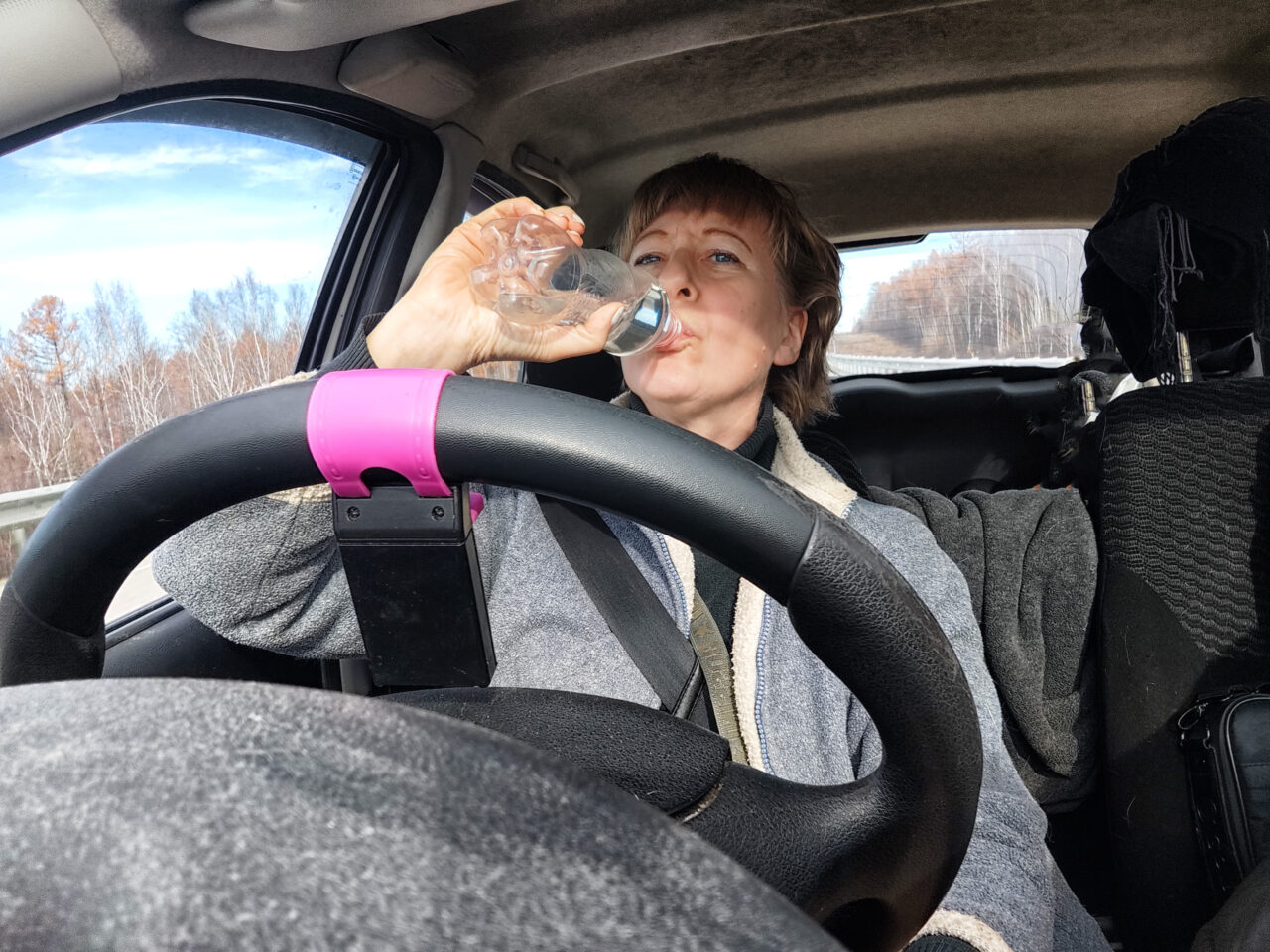
Many drivers often overlook a significant risk to road safety: mild dehydration. This common condition can impair driving ability to a similar degree as being over the drink-drive limit, according to new insights from road safety experts.
“The comparison to drink driving might seem stark, but the physiological effects of dehydration on cognitive function are genuinely concerning,” explains Yusuf Okhai, Managing Director at ION8. “Reduced concentration, slower reaction times, and increased errors are all symptoms we associate with alcohol impairment, yet they are also direct consequences of not drinking enough water.”er.”
Research published in Physiology & Behavior in 2015 demonstrated that drivers who were mildly dehydrated made twice as many errors as those who were adequately hydrated. This level of impairment was comparable to that observed in studies of drivers with a blood alcohol content of 0.08%, the legal limit in England, Wales, and Northern Ireland. Yusuf highlights this finding, stressing that even a small fluid deficit can have profound effects behind the wheel.
“It’s not about feeling parched; even mild dehydration can subtly erode your ability to drive safely,” he says. “Drivers might not even realise their performance is compromised.”

Another study, detailed in the British Medical Journal, indicated that dehydration can lead to a 12-18% reduction in cognitive performance, affecting vigilance and decision-making. Yusuf points out that this directly impacts a driver’s capacity to react to sudden hazards or maintain focus during long journeys. He advocates for consistent hydration, especially during peak travel times or warmer weather.
“Keeping a high-quality water bottle like those from ION8 in the car isn’t just about comfort; it’s a vital safety measure,” Yusuf states. “It’s about having easy access to water to prevent your performance from dipping.”
For drivers, the message is clear: prioritise hydration before and during every journey. Simple steps can make a significant difference. Drink a glass of water before setting off, carry a reusable water bottle, and take regular breaks to rehydrate, particularly on longer trips. Avoid relying solely on caffeinated drinks, which can have a diuretic effect.
“We need to shift our perception of hydration from a personal health choice to a critical component of road safety,” Yusuf concludes. “Staying properly hydrated is a simple, effective way to ensure you’re as alert and responsive as possible, protecting yourself and others on the road.”
(Picture: Yay Images)(