ITS UK Chief Executive Max Sugarman has used the organisation’s Parliamentary Reception to champion transport technology’s growing economic importance while setting out a series of policy priorities aimed at unlocking further innovation.
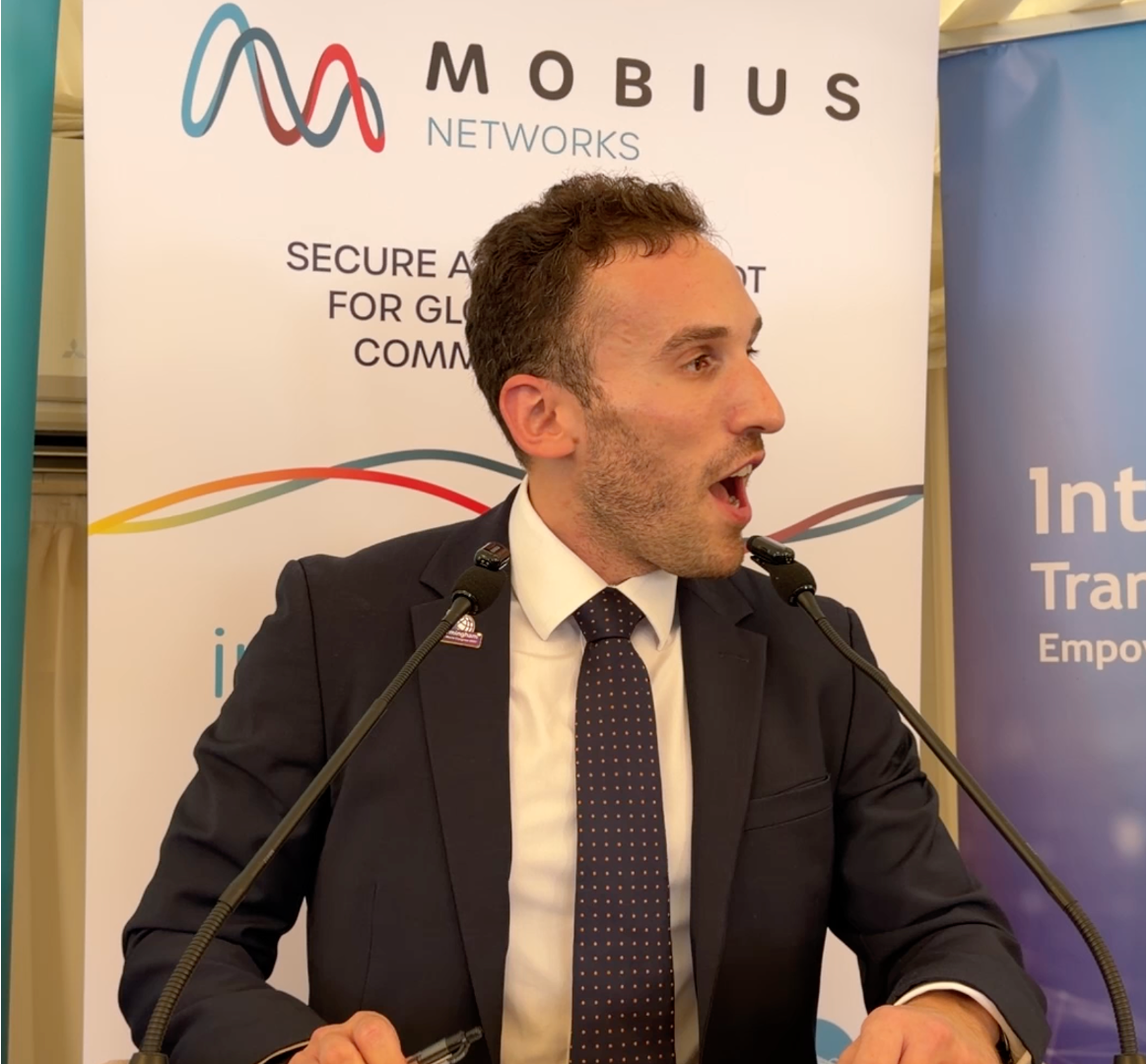
Addressing industry leaders, MPs and officials in Westminster, Mr Sugarman (pictured) reiterated the organisation’s findings that transport technology now contributes £3.2 billion annually to the UK economy, supports 45,000 jobs and generates £500 million in tax revenues.
He described the sector as increasingly optimistic, citing an ITS UK survey showing that 62% of members are confident about future growth.

Launching ITS UK’s latest annual review under the theme Transport 4.0, Mr Sugarman argued that transport technology is becoming an intrinsic part of the UK’s transport network and the wider fourth industrial revolution.
Among the organisation’s key priorities is its recently launched “Stuck on Red” campaign, which highlights the scale of ageing traffic signal infrastructure across the UK.
Mr Sugarman warned that around 15,000 traffic signals – approximately 51% of the national network – are now technologically obsolete, with that figure potentially rising to 60% within two years if no action is taken.
“We often hear about potholes,” he said. “We’re trying to bring attention to the dott hole – the digitally obsolete traffic technology.”
He argued that outdated systems increase operational costs, hinder smarter traffic management measures such as bus priority, raise carbon emissions and create cyber security vulnerabilities.
The organisation is calling for a rolling five-year funding programme to modernise traffic technology infrastructure.
Mr Sugarman also highlighted ITS UK’s ongoing campaigns around open transport data, including support for digital traffic regulation orders (DTROs), Great British Railways’ open-data ambitions and government smart data initiatives.
On road pricing, he welcomed government efforts to address declining fuel duty revenues through electric vehicle taxation but warned that technology must play a central role.
“The current proposals are based on an odometer reading and they have massive challenges for fraud,” he said, calling for an optional technology-based solution to be built into any future system from the outset.
Other priorities outlined included road safety, reform of Home Office type approval processes for enforcement technology, integrated transport, demand responsive transport and digital ticketing.
Mr Sugarman also highlighted the industry’s growing skills challenge, promoting ITS UK’s new Project Root initiative, which aims to reach 10,000 students and encourage greater awareness of digital and data careers within transport.
He concluded by encouraging businesses to engage with preparations for the ITS World Congress 2027 in Birmingham, describing it as a major opportunity to showcase UK innovation on the global stage.
(Picture – Highways News)