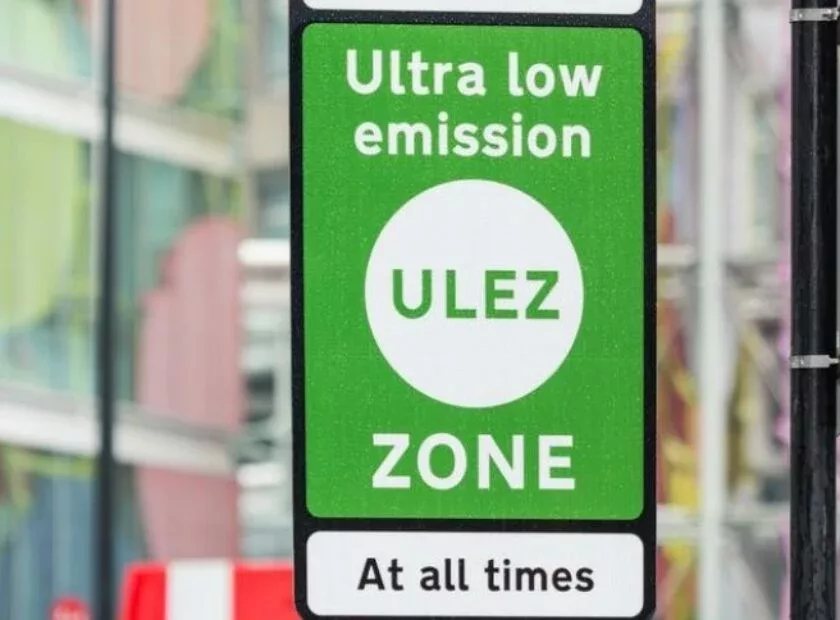
Children whose lung growth had been stunted by air pollution showed a striking recovery after London introduced its Ultra Low Emission Zone (ULEZ), according to new research.
Scientists say they were “stunned” by the speed at which children’s lungs appeared to catch up with those of children living in a less polluted area, providing what they believe is some of the strongest evidence yet that clean air zones can reduce the damage caused by pollution during childhood.
Researchers from the Universities of Bedfordshire, Oxford, Cambridge, Edinburgh and Southern California followed more than 3,400 primary school children in London and Luton for five years.

The children, aged between six and nine at the start of the study, underwent annual tests of lung function and capacity before and after the ULEZ was introduced in 2019.
Initially, the London children’s lungs had significantly lower capacity than those of children in Luton, which has lower pollution levels but a similar mix of pollutants. The groups were matched as closely as possible for factors including socio-economic background, ethnicity and physical activity. But over the four years following the introduction of the ULEZ, the gap narrowed dramatically.
By the end of the study, the children’s lung capacity in the two groups was almost identical. Researchers say the London children appeared to experience accelerated lung growth, effectively “catching up” with their peers in Luton.
Prof Chris Griffiths, a senior author from Queen Mary University of London, said he was “absolutely stunned” when he first saw the results.
“The speed of catch up in lung capacity in the London group was surprising and impressive,” he said.
“This shows an ambitious clean air zone can drive pollution levels down, rapidly restoring children’s stunted lung growth.”
The findings are particularly significant because impaired lung development in childhood can have lifelong consequences, increasing the risk of asthma and other respiratory diseases, as well as cardiovascular disease, diabetes and premature death.
Children are especially vulnerable to air pollution because their lungs and immune systems are still developing. Exposure to traffic pollution is a particular concern in urban areas, where children can spend time close to vehicle exhaust emissions.
The researchers say the results demonstrate that reducing pollution can produce measurable health benefits during childhood, rather than only protecting people from future harm.
However, independent researchers have cautioned that the study cannot establish that the ULEZ was solely responsible for the improvement. Other changes during the five-year study period could also have influenced children’s lung development.
Nevertheless, the researchers say the results provide important evidence that local action to reduce traffic-related pollution can help reverse some of its effects on children’s health.
The full report is available HERE.
(Picture: Imperial College London)