The Office of Rail and Road will need to develop new skills and capabilities as it takes on a potentially significant role regulating major road projects, an independent review has warned.
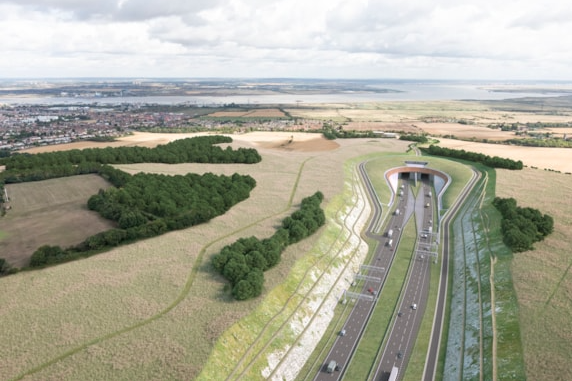
A review of the regulator, published by the Department for Transport, says the ORR is expected to become the regulator for future roads projects financed through a regulated asset base (RAB) model. The first such application is expected to be the Lower Thames Crossing.
The review says the ORR can build on its existing regulatory experience, but warns that “new capability and skills” will still be required to support its expanded responsibilities.

It also identifies opportunities for the regulator to play a greater role in the long-term stewardship of roads, while bringing together expertise and lessons from its rail, roads and safety functions.
The review argues that the ORR’s independence could make it particularly valuable in advising ministers on the strategic trade-offs involved in major transport infrastructure.
It says the regulator is generally respected for its independence, economic expertise and safety capabilities, with its existing depth of experience across both the rail and road sectors providing a strong foundation for its future work.
However, it warns that maintaining the ORR’s effectiveness will require continued investment in its regulatory frameworks, partnerships and technical capabilities.
One particular challenge will be keeping pace with emerging technologies and evolving cyber threats, while avoiding a widening knowledge gap between the regulator and the industries it oversees.
The review says the ORR’s independent expertise could ultimately “underpin the advice and assurance” needed to support both rail and road reform and help deliver a more integrated and resilient transport system.
It also suggests there is scope for the regulator to share expertise more effectively across its different functions, potentially supporting the Department for Transport’s wider “Better Connected” strategy.
The findings come as the government pursues reforms to the role of regulators, alongside major changes to the rail industry. While much of the review focuses on the ORR’s future role in rail following the creation of Great British Railways, its findings point to a potentially broader future for the organisation as a regulator of transport infrastructure.
For the roads sector, the immediate test will be whether the ORR can build the expertise required to regulate major privately financed infrastructure projects effectively.
The review describes the proposed changes as an opportunity for the ORR to generate greater value and support economic growth, but says achieving this will require sustained commitment and collaboration between government, industry and the regulator.
(Picture: National Highways)