Musculoskeletal (MSk) Disorders should not be part of the job in the highways sector – research by Steve Perkins Associates shows where MSk risks remain embedded in everyday work, why good solutions are not always used, and what clients, designers and contractors can do differently. Steve Perkins, the company’s Founder and Managing Director, says that protecting the health of highways workers has to be part of everyday delivery in this article written exclusively for Highways News.
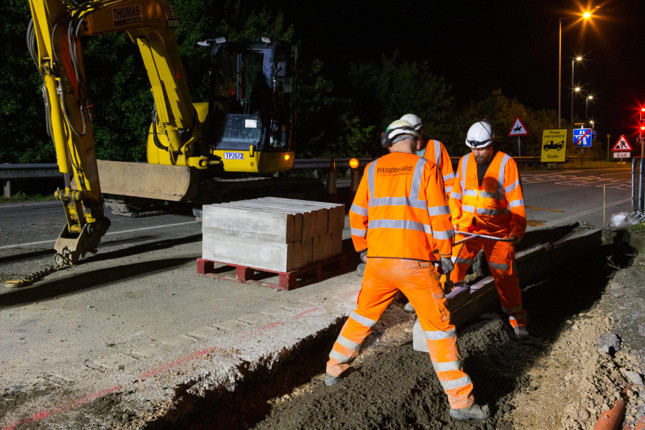
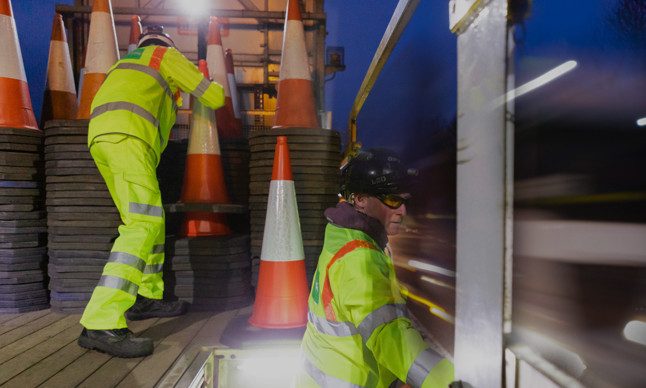
Laying cones, opening chamber covers, carrying materials and installing barriers. These are familiar activities across highways, but familiarity should not make the risks acceptable. Nor should protecting workers depend on their ability to cope with physically demanding work, shift after shift.
Our Musculoskeletal Risk Profiling (MRPro) research set out to give National Highways and its supply chain a clearer understanding of these risks and where intervention could make the biggest difference. Funded jointly by National Highways and supply chain partners, the report is freely available to the industry. This is a shared evidence base for a shared challenge.

From experience to evidence
We conducted 23 focus groups involving 135 participants, followed by surveys generating hundreds of responses. Almost 100 high risk tasks were initially identified, with 45 selected for closer examination. We used established HSE assessment tools, alongside estimates of how frequently tasks are performed and how many workers undertake them across the SRN.
The result is a practical risk profile to support prioritisation. The findings help distinguish opportunities for industry-wide intervention from risks requiring local or specialist action.
Three different challenges
The research identified three broad types of hazard:
Historic hazards are built into existing assets. Restricted spaces and poor access can force workers into awkward postures and make mechanical assistance difficult. Decisions made years ago continue to shape today’s exposure.
Embedded hazards arise from tasks intrinsic to how highways work is currently done. Laying cones, applying road markings and opening chamber covers need solutions that challenge established methods, rather than relying on people to perform demanding tasks more carefully.
Avoidable hazards remain where effective controls already exist. Carrying materials, unloading machinery and manual digging may continue because of cost, time pressure or working culture. Here, the challenge is often consistency of implementation.
Understanding these differences matters. We cannot expect one training course, piece of equipment or awareness campaign to address them all.
Build on what works
There is good practice. We found mechanisation, careful planning and examples of risks successfully designed out. But good practice was not consistent across companies or circumstances. Equipment could be unavailable, unsuitable for the location or difficult to use within operational constraints. That means looking beyond individual behaviour. Procurement, planning, access, design and commercial expectations all influence what happens on site.
This requires leadership, sustained investment and contracting arrangements that enable innovation rather than discourage it.
Clients can establish minimum expectations that bring the whole supply chain up to the standards of the best. Contractors can make mechanisation and suitable equipment the normal approach wherever practically possible.
Designers can consider installation and future maintenance together, supported by health by design and early contractor involvement. Where suitable solutions do not exist, workers, contractors and manufacturers need opportunities to develop and trial alternatives.
MRPro does not solve musculoskeletal risk in highways. It gives us evidence to prioritise action, good practice to share and clear challenges to tackle together. We have the capability across the industry. Now we need to make protecting musculoskeletal health part of everyday delivery.
(Pictures: Steve Perkins Associates)