The UK Roads Leadership Group’s Board for Adaptation, Biodiversity and Climate Resilience has welcomed the Department for Transport’s Transport Resilience Strategy
The strategy sets out the government’s approach to strengthening the resilience of the UK transport system over the next 5 to 10 years. It explains how government will work with industry and local partners in relation to the transport system to understand risks, reduce vulnerabilities and improve preparedness for disruption across the transport system
The strategy sets out what the UK Government Resilience Action Plan means in practice for the transport sector, by applying its 3 primary objectives for transport:

- Continuously assess how resilient the UK transport sector is, so interventions and resources can be targeted effectively.
- Enable the whole transport system, including transport users, to take action to increase resilience.
- Strengthen government’s transport resilience capabilities.
John Lamb, Chair of the Board, said:
“This is an important strategy, and DfT deserves real credit for it. The Resilience team engaged widely across the sector and with the devolved administrations, and it shows. For the first time, transport resilience has a clear direction across the whole of the UK, and local highway authorities are recognised as the infrastructure owners and Category 1 responders they are. The strategy sets the floor. The sector will, and must, build on it, and the work now is getting the sector ready.
“It builds on important work across the whole of UKRLG and its Boards: the evidence of the 2021 Lessons report and our 2025 retrospective, regional workshops with more than 200 highway directors across all four nations, and our Suspension of Business As Usual guidance, which gives authorities pre-agreed triggers and defensible decisions for extreme events.
“Local roads are the lifelines that emergency services, care workers, schools and supply chains depend on when severe weather strikes. With one of the strongest El Niño events on record forecast this winter, that work can’t wait. I’d invite senior leaders in local highways across the UK to engage with it now: build the evidence, the insight and the learning before the event, not after it. Make friends before you need them.
“We look forward to working with DfT on the delivery plan, the Transport Resilience Academy and the Network, so that every one of the UK’s 200+ local highway authorities is ready for its worst day.”
Keir Mather MP, Parliamentary Under-Secretary of State Minister for Aviation, Maritime and Decarbonisation, said:
“Transport resilience is a whole-government, whole-sector, and whole-society endeavour. No single organisation can deliver it alone. As the Minister responsible for transport resilience, I am pleased to present a strategy which sets out how we will work together over the coming years to strengthen the resilience of our transport system, protect the connections on which people and businesses depend, and ultimately improve the everyday experience of those who use our networks.”
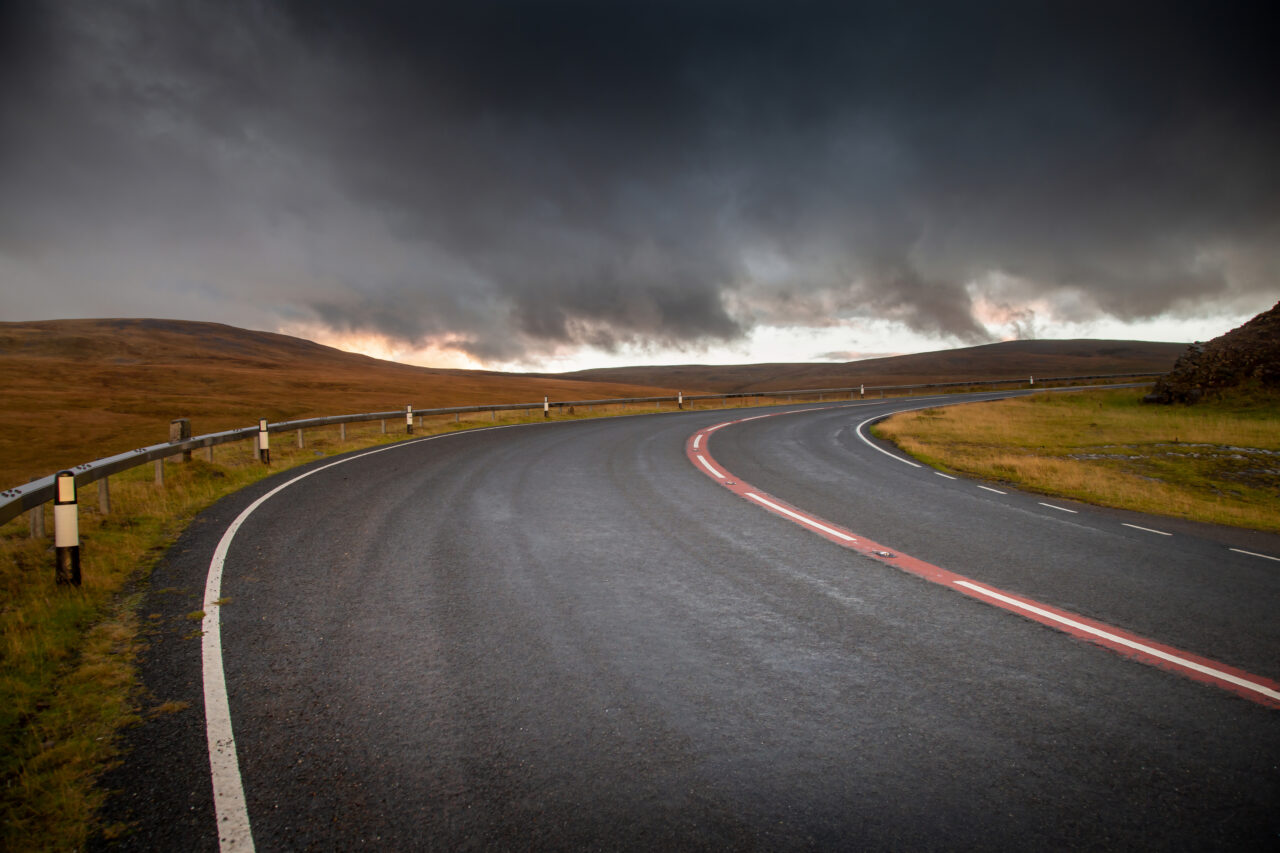
(Picture: Leighton Collins)