The founder of intelligent transport systems specialist Starling Technologies has said the company’s closure was driven not by a lack of demand, quality or ambition, but by slow procurement processes and the withdrawal of innovation funding opportunities.
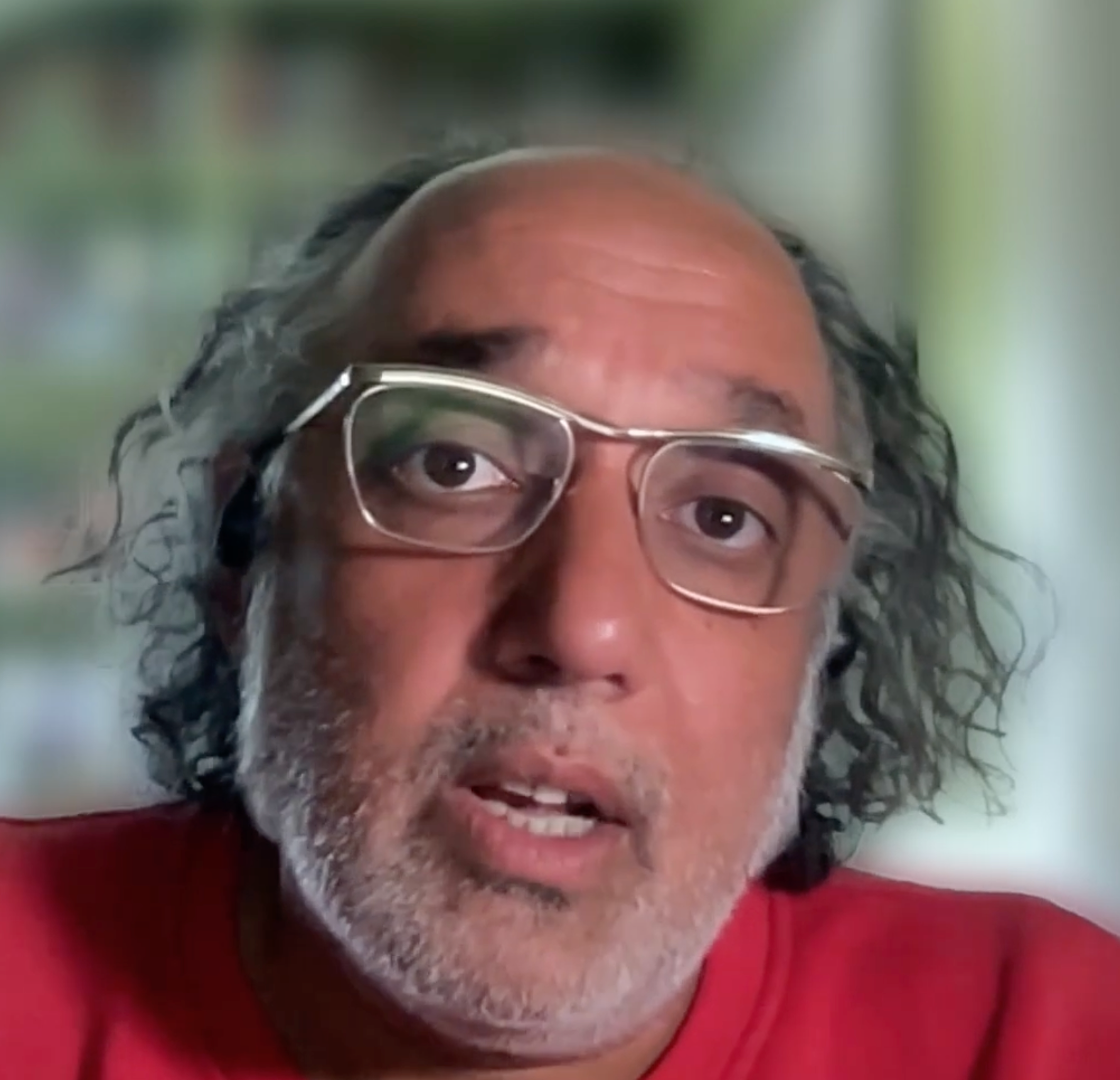
Speaking on tomorrow’s Highways Voices podcast, Andrew Caleya Chetty described the decision to close the business earlier this year as “the hardest decision I’ve actually had to make in my professional life”.
Starling entered the UK ITS market around five years ago with AI-powered pedestrian and cyclist detection technology and worked with authorities including Cambridgeshire County Council and Portsmouth City Council. According to Mr Caleya Chetty, the company successfully demonstrated its technology and built strong customer relationships, but struggled to convert interest into revenue quickly enough.

“We had a very healthy proposals out there,” he explains. “We had a very healthy forecast of what was going to happen, but because the purchase orders didn’t come, that has a massive impact on being able to manage the business.”
Mr Caleya Chetty said projects were often delayed for months after equipment had been supplied, leaving stock sitting in warehouses while payments remained outstanding. At the same time, potential new orders repeatedly failed to materialise despite positive discussions with customers.
The situation was compounded by investor fatigue. After supporting the business through several years of growth, angel investors eventually lost confidence that forecast orders would arrive in time to sustain the company.
He also pointed to the cancellation of the Department for Transport’s Intelligent Traffic Management Fund (ITMF) as a significant setback for innovation across the sector.
“That was the turning point for Starling,” he said. “For the first time there was going to be significant money to trial, collect evidence and demonstrate for the wider industry that new technologies could radically change how traffic is being managed.”
When the funding was withdrawn, he said both suppliers and local authorities were forced to focus on existing products rather than trialling new approaches.
Looking back, Mr Caleya Chetty believes the sector must address both procurement timescales and business models if it is serious about fostering innovation.
“I would find it nigh on impossible for a startup to come into this industry and be successful without significant financial backing,” he said. “The desire for innovation is there, but it needs leadership and it needs mechanisms that allow innovation to happen quicker than it currently does.”
The podcast is published on Wednesday morning on the Highways News website.
(Picture – JCT)