As the golden thread of information continues to redefine accountability and traceability in construction,
Dr Paul Phillips, Technical Director at Associated Asphalt, draws on his experience at the UK’s busiest airports and wonders if advances such as rapid-setting materials to two-lane paving techniques can help deliver critical infrastructure projects faster, safer and with minimal disruption to the public, why can’t we do the same for our roads?
Among other critical findings, the 2018 Hackitt Report highlighted the consequences of poor information management and the need for a more systematic, joined-up approach to information, particularly for high-risk buildings.
In response, government reforms introduced the “golden thread” requirement as part of wider building safety changes. This demands a continuous digital record of a building’s design, materials, decisions and changes, accessible to all stakeholders to ensure safety, traceability and accountability throughout its lifecycle.

The result is more than a regulatory shake-up but rather a cultural shift in construction. For decades, construction projects have been shaped by fragmented communication, limited knowledge sharing and siloed working. Beyond inefficiency, this disjointed approach has left the sector vulnerable to miscommunication, misinterpretation and systematic failure.
This new way of working addresses those issues by redefining transparency, accountability and traceability through a unified “big picture” approach which, in effect, is redefining how infrastructure is designed, delivered and maintained.
So why does this matter for roadbuilding? While highways and roads, of course, are a very different type of asset, they are not immune to the same challenges of fragmented oversight, inconsistent data and limited lifecycle visibility. Arguably then, as we see it, the sector could benefit vastly from a similar type of approach.
Roadblocks ahead
To understand the potential benefits of a golden thread in roadbuilding, it’s important to first consider the current challenges.
It is widely documented that the current available data in roadbuilding is poor, fragmented or underutilised, resulting in significant inefficiencies, maintenance backlogs and inaccurate planning.
Only recently the Department for Transport (DfT) acknowledged that its local road condition data is poor and outdated, leaving significant gaps in understanding network quality. Though visibility across the Strategic Road Network (SRN) is better, data gaps still occur due to sensor failures and concerns remain over consistency and comparability because multiple systems and methods are used.
Of course, that is not to assign blame. The UK road network is one of the most complex in the world, shaped by high demand, historic development and infrastructure never designed for today’s traffic volumes. Ongoing rescheduling pressures and funding constraints add further complexity. But it is to say that, clearly, the current way of doing things isn’t working.
This March saw the so-called ‘pothole plague’ reach an all-time low, as new research from the Asphalt Industry Alliance (AIA) revealed a backlog of repairs across England and Wales of £18.6bn, despite councils filling in about 1.9m holes last year.
Though our highways are generally in better condition, research shows they generally pale in comparison to other road networks around the world. More than half (57%) of drivers say there are fewer potholes on European motorways compared to the UK. Drivers also often report that European motorway surfaces are smoother and quieter than those in the UK.
Clearly then, there is scope for much improvement, particularly when it comes to looking toward the bigger, long-term picture and moving away from temporary, reactive repairs (like filling individual potholes) towards proactive, long-term assets.
Turning insight into impact
So, what is to be done? Though there can be no silver bullet, I believe that greater visibility holds part of the answer.
Take a look at any one of a number of leading industries – manufacturing, aerospace, advanced engineering – and a common theme emerges. Decisions are increasingly driven by high-quality, real-time data. Components are tracked, performance is monitored continuously and maintenance is planned using integrated digital systems that link design intent with operational reality.
Applied to roadbuilding this type of approach could be transformative. Imagine if, akin to the ‘golden thread’ model, we were able to carry a continuous, digital record of an asset from design through construction and into maintenance -capturing not just what was built, but how, with what materials, under what conditions and how it has performed over time.
Executed well, this would enable a more intelligent, efficient and sustainable approach to asset management. With full lifecycle visibility, the road network could be managed as a connected system rather than a series of isolated interventions – supporting better planning, more targeted maintenance, and clearer insight into performance and carbon impact.
It would also help bring sustainability strategies to life. More than ever, operators are under growing pressure to reduce carbon and energy use without compromising the quality, speed or cost of the operation. Better data would make it easier to assess the whole-life performance of different materials and methods, enabling clearer comparison of the long-term savings and benefits of lower-carbon alternatives. With better knowledge extending far beyond the immediate job at hand, decision-making could shift meaningfully, prioritising considered, durable sustainable options over reactive, short-term fixes.
The journey ahead
The UK road network is the backbone of the economy and society – and arguably the country’s most important piece of infrastructure. It therefore seems inconceivable that while other industries are advancing rapidly through data-led insight and long-term visibility, we still, in many respects, operate without a clear, joined-up view of our own assets. All too often, this hinders decision-making and long term thinking, encouraging siloed, short-term fixes over more strategic, proactive investment that benefits the network as a whole.
is often said that knowledge is power, and I believe that through better data availability and long-term visibility, operators could arm themselves with the intelligence needed to improved safety, greater resilience, better long-term value and sustainable goals. Therefore, while the golden thread is currently gaining traction in construction, I hope it ultimately finds its way into roadbuilding too, shaping a more connected, data-driven future for the industry.
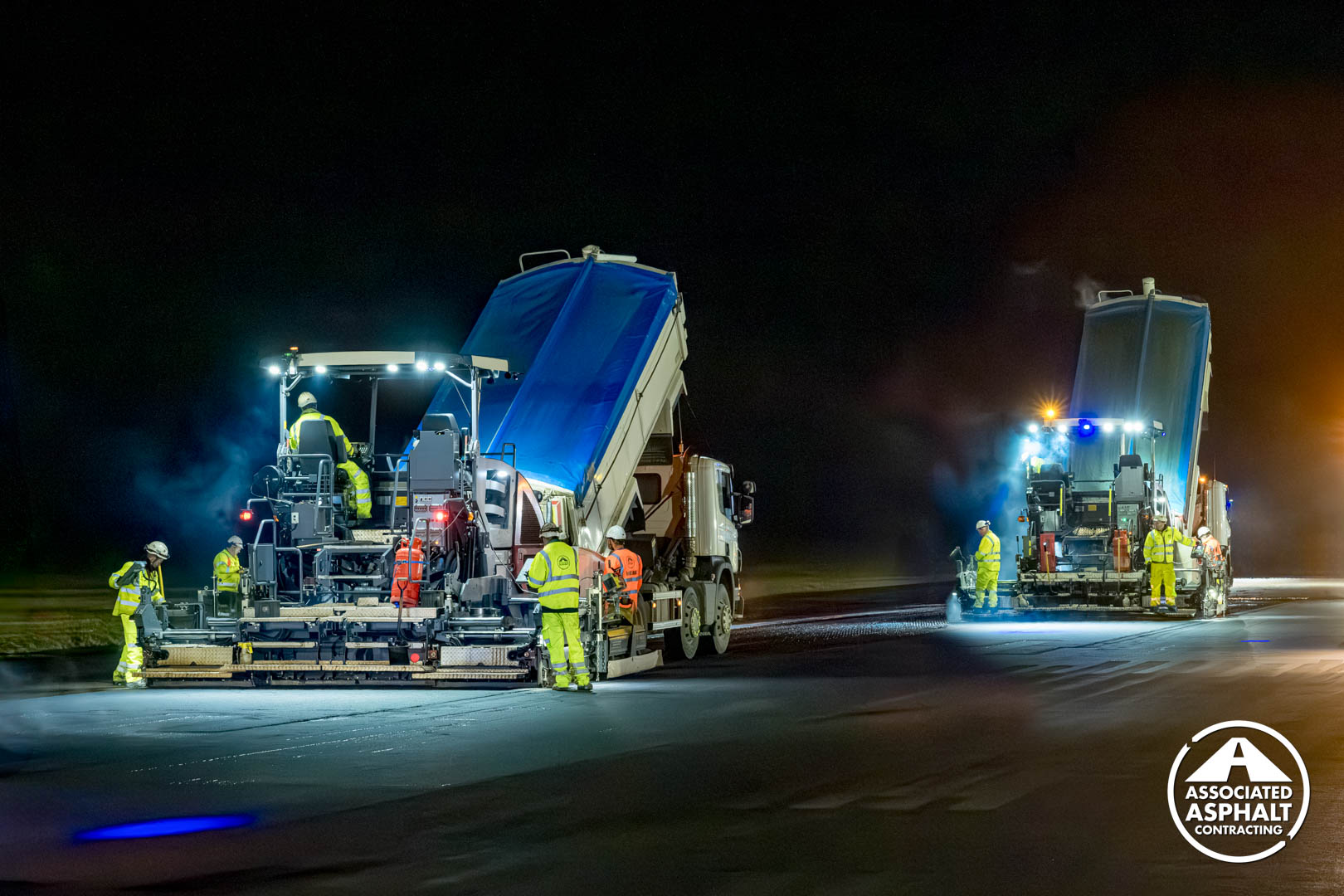
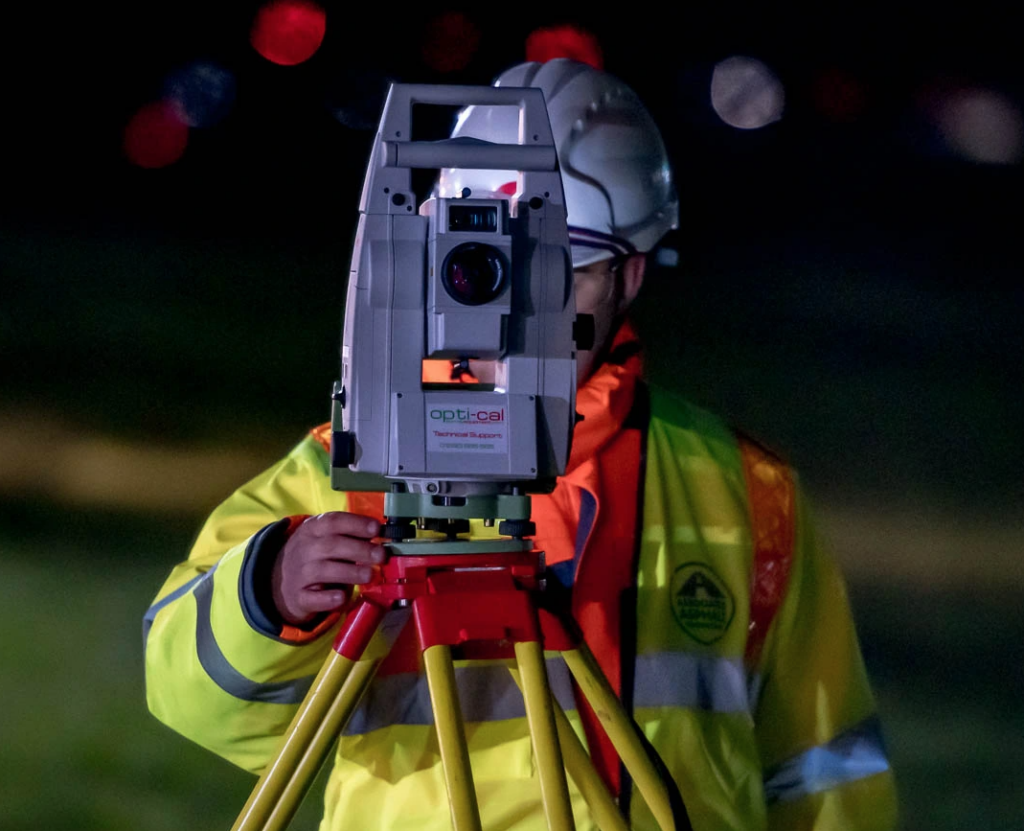
(Pictures: Supplied by Associated Asphalt)