When Rennicks was founded in 1976, the transport sector looked very different. Technology was limited, and many of the systems we now take for granted simply didn’t exist. Road users relied on clear signage, durable road markings and reflective products to guide them safely through the network.
Fifty years later, roads are smarter, vehicles are increasingly connected, and road operators have access to real-time information that helps improve safety, manage congestion and keep traffic moving.
As Rennicks celebrates its 50th anniversary, it’s an opportunity to reflect not only on the company’s journey, but also on the remarkable evolution of the road safety industry itself.
The foundations of safer roads
In the 1970s, many road safety improvements focused on visibility and durability. Reflective hazard markings, vehicle registration plates and traffic signs all played a vital role in making roads safer. Reliability mattered. Products had to withstand the elements while remaining clear and effective day after day.
Founded by Robin and Maureen Rennicks, the company began by supplying reflective hazard markings. Following changes in legislation requiring reflective vehicle registration plates, Rennicks expanded into registration plate component manufacture, establishing what would become a core part of the business.
Responding to changing demands
As the demands placed on road networks evolved, so too did the needs of those responsible for managing them. Road safety was no longer solely about providing physical products. There was growing demand for better traffic management, improved information for road users and technologies that could respond to changing conditions.
At the same time, customer expectations evolved. Products needed to last longer, perform consistently and meet increasingly demanding technical standards. Suppliers also needed to provide expert advice and responsive customer support alongside quality products. These changing requirements encouraged continual innovation across the industry.
Entering the digital age
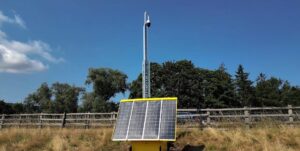
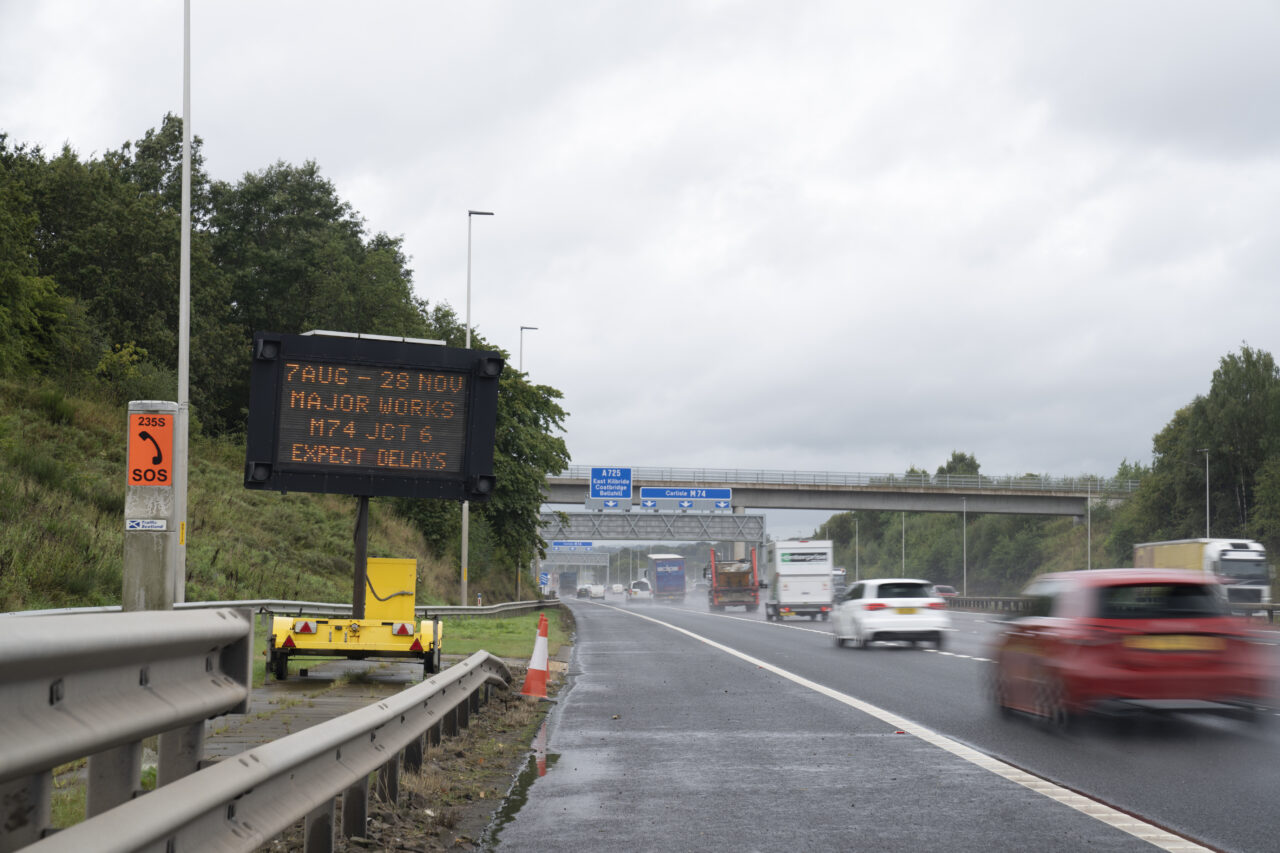
The biggest transformation came with the growth of intelligent transport systems (ITS). Advances in sensors, communications and data enabled road operators to move beyond static infrastructure towards connected networks capable of monitoring traffic conditions in real time.
Journey time systems, vehicle detection technologies, weather monitoring and dynamic driver information became increasingly important tools for improving safety and network efficiency.
Rather than replacing traditional road safety products, these technologies complemented them, creating more responsive and better-informed transport networks.
Evolving alongside the industry
As the industry has evolved, so too has Rennicks, expanding its capabilities to meet new challenges and customer requirements. From supplying reflective hazard markings and registration plate components in its
early years, the business has expanded to offer a broad portfolio of road safety products and intelligent transport solutions.
Many of these products have been refined over decades, shaped by practical application and customer feedback to deliver proven quality and reliability. Alongside product development, the business has continued to invest in new technologies, manufacturing capabilities and technical expertise to help customers meet the changing demands of modern road networks.
Reflecting on how the business has evolved, Sales Director Robert Tait says:
“While the technologies and products have changed significantly over the past 50 years, our focus has remained the same: understanding our customers’ needs and providing reliable solutions that help keep road users safe. That commitment continues to drive how we innovate today.”
The constant: keeping road users safe
Throughout every stage of the industry’s evolution, one thing has remained unchanged: the importance of keeping road users safe. Every innovation, from traffic signs and vehicle registration plates to radar sensors
and journey time systems, shares the same purpose: helping people travel more safely.
That principle continues to guide the road safety industry today. As new technologies such as connected vehicles, artificial intelligence and increasingly data-driven transport systems shape the future, the need for trusted expertise, reliable products and strong customer partnerships remains as important as ever.
Looking ahead
The pace of change within road safety shows no sign of slowing. As transport networks become more connected and the demands on infrastructure continue to grow, technology will continue to play an increasingly important role in improving safety, efficiency and sustainability.
For Rennicks, reaching 50 years is both a milestone and a reminder that success comes from continuing to evolve alongside customers and the wider industry. The products may have changed, and the technologies will continue to develop, but the commitment remains the same as it was in 1976: helping to keep road users
safe, secure and informed.
(Picture: Rennicks)