
Hackney Council is considering lobbying for a pay-per-mile road charging scheme to be introduced in London as part of a wider debate about the future funding of road use.
The proposal is included in the Borough’s Transport Strategy for 2026 to 2036, which sets out its longer-term approach to transport and travel.
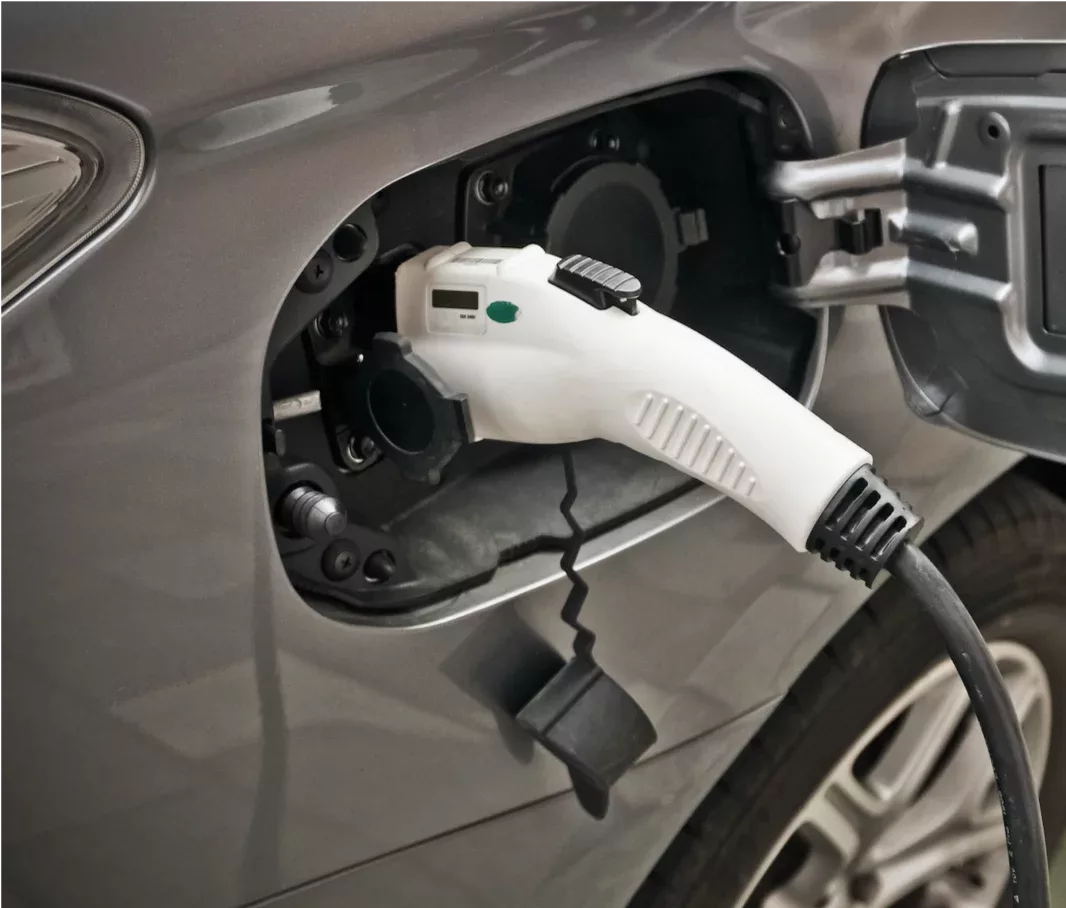
The strategy states that the Government intends to introduce a form of national road user charging in 2028, initially applying to electric vehicle owners through the planned Electric Vehicle Excise Duty (eVED).

It adds: “Hackney will continue to engage in the debate over road user charging and will consider lobbying for the introduction of systems of smart road pricing such as pay-per-mile in London as a pilot scheme or on a national basis.”
The proposal comes ahead of the planned introduction of eVED, which will apply to fully electric vehicles and plug-in hybrid cars.
Under the Government’s plans, electric vehicle owners will pay a mileage-based charge alongside existing vehicle taxation arrangements. The measure is intended to address the reduction in fuel duty revenues as the vehicle fleet transitions away from petrol and diesel.
The introduction of eVED is expected to affect millions of vehicles nationally, including significant numbers of electric and hybrid vehicles registered in London.
Hackney’s strategy does not commit the council to introducing a local pay-per-mile charging scheme. Instead, it identifies the possibility of lobbying for a London pilot or supporting a national approach as part of its ongoing engagement with the road user charging debate.
The proposal has attracted political criticism. Shadow Transport Secretary Richard Holden criticised the prospect of London becoming a testing ground for pay-per-mile charging, describing the Green Party’s approach as a “bonkers war on motorists”.
The strategy is being promoted by Hackney Council, where Green Party councillor Zoe Garbett is Mayor.
Any future London pilot would require further consideration of its scope, charging arrangements and relationship with existing road user charging measures.
(Picture: Yay Images)