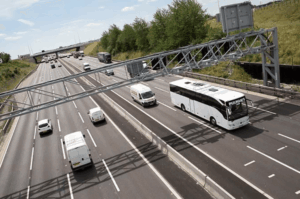
Legislation introduced by the Government would establish a framework for private investment in major road projects, including the potential introduction of tolls subject to regulatory oversight.
The Government has introduced the Highways (Financing) Bill, which would allow private companies to obtain licences to charge tolls in connection with works on trunk roads in England.
The Bill, presented by Transport Secretary Heidi Alexander on 10 September, is intended to facilitate private investment in major road infrastructure. It includes provisions covering the construction of highways, improvements to existing roads and the maintenance of highways.
Under the proposed legislation, licensed operators could charge tolls on qualifying roads, subject to conditions established under the regulatory framework. The Office of Rail and Road (ORR) would have a role in overseeing tolling arrangements, including the regulation of toll levels and the financial arrangements associated with the licensed projects.
The Bill does not automatically introduce tolls on roads across England. Instead, it establishes a legal framework under which tolling could be authorised for qualifying projects.
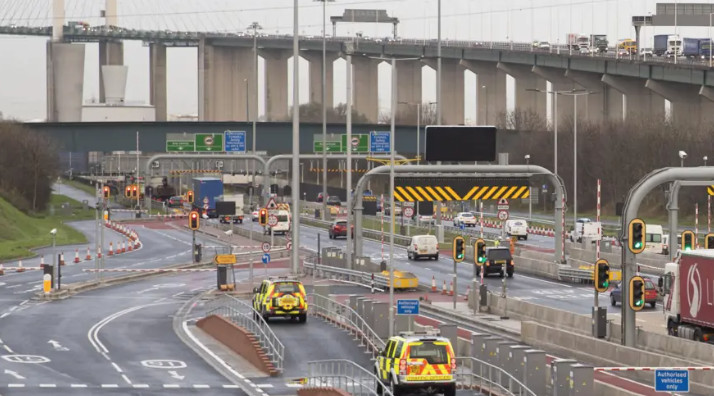
The legislation is relevant to proposals such as the Lower Thames Crossing, which is intended to benefit from private investment through a regulated asset base funding model. The ORR has confirmed that the Bill would enable it to take on an economic regulatory role in relation to the project. The proposals have prompted concerns about the potential financial impact on drivers, particularly at a time when households continue to face pressure on their budgets.
Shadow Transport Secretary Richard Holden has criticised the Government’s approach, arguing that the proposals could result in additional charges for motorists.
He said:
“Labour is trying to slyly slip out plans for charging for road use with no thought as to even capping what could be charged while potentially creating a wild west of punitive new charges.”
Mr Holden also linked the proposals to wider concerns about future changes to motoring taxation, including the planned introduction of Electric Vehicle Excise Duty (eVED).
The Government has previously announced plans for electric vehicles to become subject to a mileage-based tax from 2028. However, the details of that policy should be considered separately from the Highways (Financing) Bill.
AA president Edmund King acknowledged that drivers would welcome improvements to the strategic road network, while warning against excessive charges being imposed by private contractors.
He said that motorists already contribute substantial sums through motoring taxation and that additional tolls could place further pressure on drivers.
A Department for Transport spokesperson, rejectingd suggestions that the Bill would enable tolling to be introduced without restrictions, said:
“It is simply not true to suggest this Bill allows for unchecked introduction of tolling or road pricing.”
The spokesperson added that licence holders would require permission to introduce new tolls and that tolls established under the legislation would be subject to caps and independent regulation.
The Government has also highlighted its investment in road maintenance and infrastructure, including funding for road repairs, the Lower Thames Crossing and the development of a new Road Safety Strategy.
The Highways (Financing) Bill is currently progressing through Parliament. Its introduction establishes a proposed legal framework for private investment and tolling on qualifying road projects, but the legislation must proceed through the parliamentary process before it can become law.
(Picture: National Highways)