New legislation passing through Parliament could give the government and private operators the power to introduce toll charges on roads that have always been free to use, as part of a broader overhaul of how highway infrastructure is funded and managed in England and Wales, says digital automotive platform Motoring Chronicle.
The Highways Bill, introduced in the current parliamentary session, contains provisions that would significantly expand the legal framework for road user charging beyond the handful of schemes currently in operation. While ministers have described the measures as enabling legislation rather than a commitment to specific tolls, motoring groups and transport policy experts warn that the powers being created go well beyond anything previously on the statute book and could fundamentally change how drivers pay to use some of the country’s most important routes.
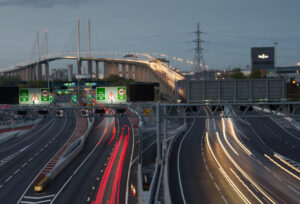
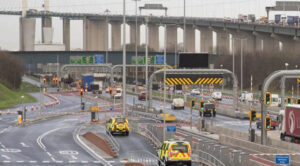
Under current law, tolls can only be levied on specific routes where Parliament has passed a specific Act of Parliament authorising them. The M6 Toll in the West Midlands and the various river crossings such as the Dartford Crossing and Humber Bridge operate under exactly this kind of bespoke legislation. The Highways Bill would create a general power for the Secretary of State to designate charging zones or corridors on the strategic road network by statutory instrument, bypassing the need for primary legislation for each individual scheme.
The Highways Bill is at the committee stage in the House of Commons. Several amendments have been tabled by MPs from across the political spectrum seeking to restrict or remove the road charging provisions, and at least two cross-party groups of MPs have indicated they will push for a division on the relevant clauses. The government has a working majority but the strength of opposition to the charging provisions, which crosses party lines, means the final shape of the legislation is not certain.
The House of Lords will also scrutinise the bill, and peers have historically been prepared to amend or defeat government legislation on road charging. The Lords rejected elements of previous road pricing proposals and are likely to take a close interest in any provisions that could affect the principle of free access to the public highway, which has deep roots in English law.
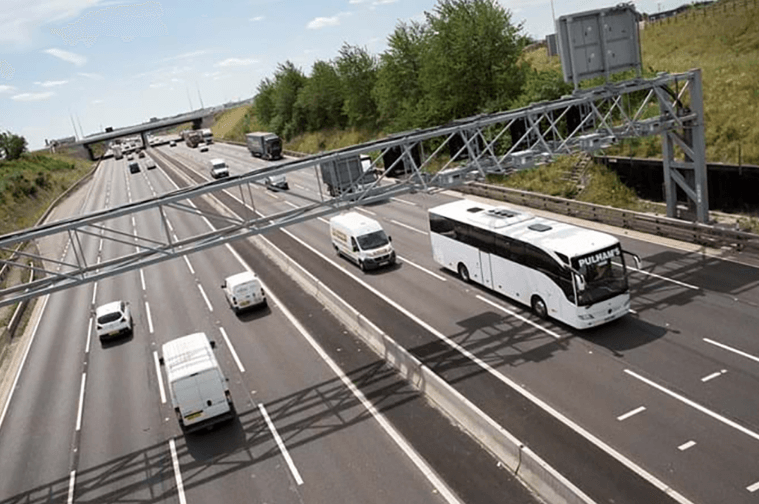
(Picture: National Highways)