The Managing Director of enforcement technology company Jenoptik UK is calling for a more evidence-led approach to red-light enforcement, arguing that its success should ultimately be measured by fewer offences rather than the number of penalties issued.
In a new thought leadership article, Adrian Cadd says collision and casualty data should increasingly be used to identify junctions presenting the greatest risk, allowing authorities to consider targeted enforcement alongside engineering, education and other road safety interventions. He adds that collisions caused by red-light running can block junctions, disrupt the wider network and delay emergency vehicles responding to other incidents, meaning improved compliance can deliver benefits beyond the junction itself.
The former Police Officer says advances in technology mean enforcement no longer necessarily requires substantial roadside infrastructure or equipment dedicated to a single task, making it possible to take a more targeted approach. Mr Cadd also argues that red-light running should become socially unacceptable in the same way as drink-driving and using a mobile phone behind the wheel, rather than being regarded as a minor traffic infringement.

“The objective shouldn’t be to issue as many penalties as possible,” he writes. “In fact, I always argue that the ultimate measure of successful enforcement is exactly the opposite – it is fewer offences.
“Because a camera that causes drivers to stop when the light turns red is doing its job before a notice of prosecution ever needs to be issued.”
He argues this approach can also help authorities demonstrate to communities why enforcement is being introduced, by showing evidence of a collision or casualty problem and subsequently measuring the effect of the intervention.
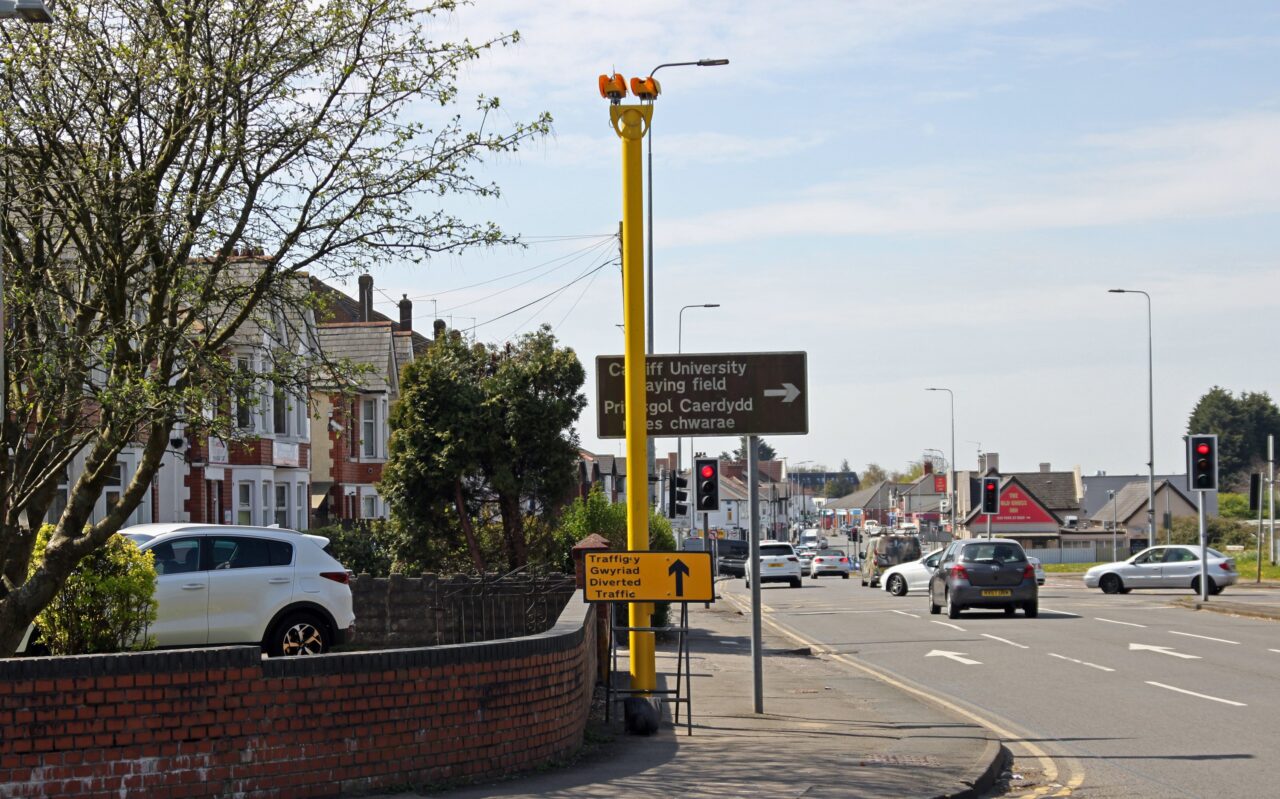
Mr Cadd says Jenoptik’s VECTOR SR enforcement technology – the only non-invasive red light solution to be Home Office Type Approval – can form part of such a wider Safe System approach, but stresses that technology should follow the identification of a road safety problem rather than drive the decision to enforce.
He is calling for the highways, policing and road safety sectors to look more closely at where red-light running is contributing to collisions and casualties, which junctions present the greatest risks and where intervention could make the biggest difference.
“Ultimately this isn’t about cameras, it’s about a driver approaching a junction and making the right decision,” he concludes.
“Red means stop. And if smarter, evidence-led enforcement helps ensure more drivers do exactly that, then it has an important role to play in making our roads safer.”
(Picture – Jenoptik)