Roadworkers subjected to abuse are being urged to report incidents and capture evidence that can help police secure convictions, rather than accepting aggression as part of their job.
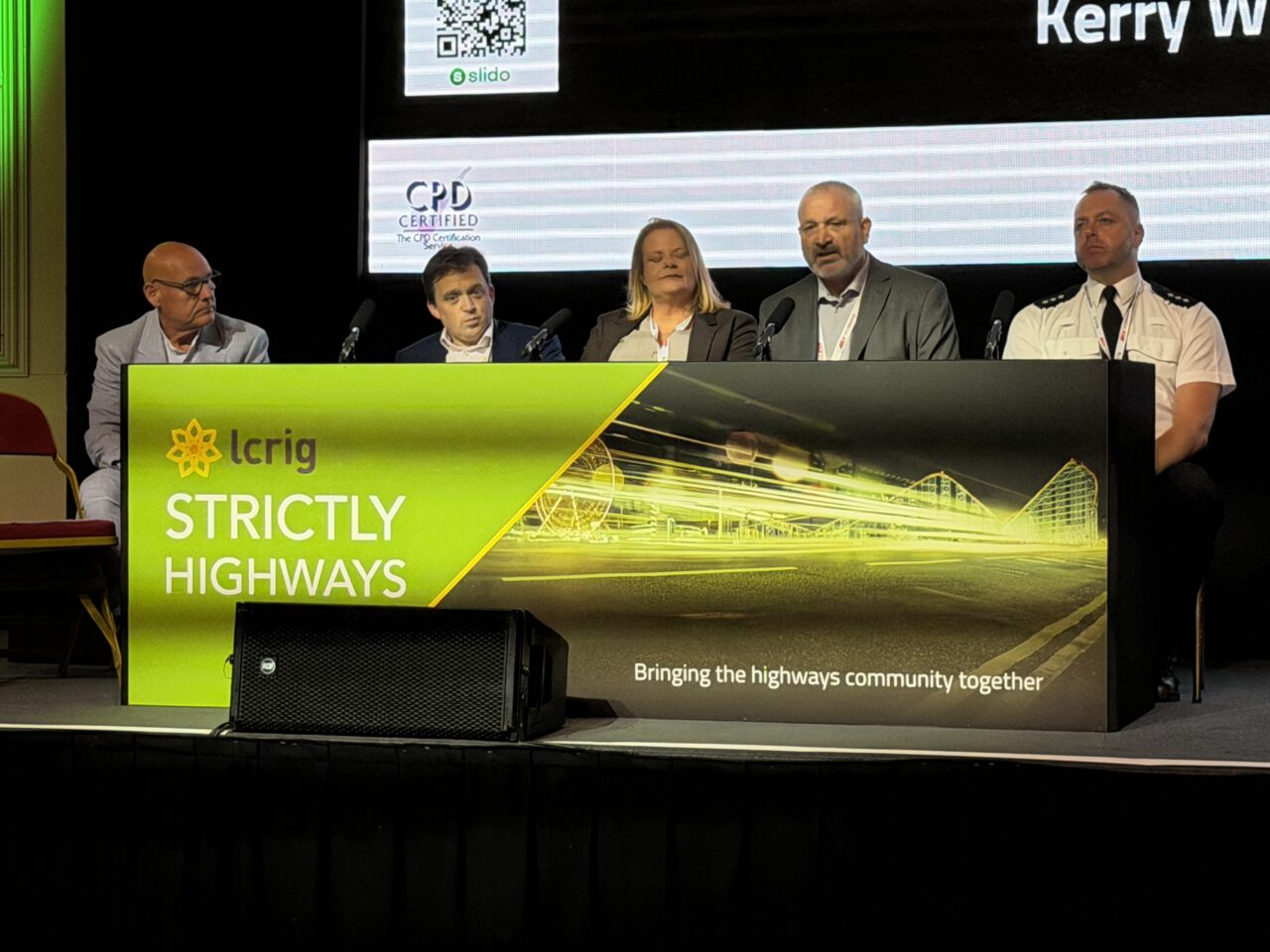
A panel at LCRIG’s Strictly Highways conference in Blackpool heard that vehicle registration numbers, descriptions of those involved, precise times and locations, and body-worn or dashcam footage can all help investigators build a case.
Employers were also urged to equip frontline staff to capture evidence and ensure workers feel supported when reporting abuse or incursions into worksites.

Lancashire Police Chief Inspector John Jennings-Wharton, who’s head of roads policing in the county, told delegates that securing a criminal conviction requires evidence capable of meeting the threshold of proof beyond reasonable doubt.
“We need your help,” he said. “I would plead to organisations to fully support and, more importantly, equip your staff who are at the front line to achieve that evidence, to achieve that best evidence.”
He strongly supported the use of body-worn cameras and challenged the belief that reporting incidents achieves nothing.
To investigate an offence, police need information identifying the person involved, including vehicle registration numbers and descriptions, alongside the date, time and exact location. Such details can also help officers seek additional evidence, including appealing for dashcam footage from passing motorists.
Chief Inspector Jennings-Wharton encouraged organisations working in Lancashire to use Operation Snap to submit video evidence for assessment. He explained that footage could lead to action ranging from a warning to steps towards prosecution, depending on the circumstances and evidence available.
His closing appeal was: “To the operatives, please, please report it, and to the organisations out there, please kit out your staff so they can achieve the best evidence.”
The discussion follows Highways News’s earlier report on the industry joining forces to tackle roadworker abuse and incursions, through the No Excuse for Roadworker Abuse initiative and its plans to bring incident information together through the RAISE reporting system.
Forbes Solicitors Partner Stephen Barnfield told the conference that employers should treat abuse as they would any other workplace safety risk, identifying it, considering controls and investigating incidents.
He urged organisations to record details, preserve evidence and take statements where necessary, so information can be passed to police for further investigation.
Reporting also matters when a prosecution does not follow, he said, because the information can inform training, working practices and measures to protect colleagues.
Balfour Beatty Living Places Head of Health, Safety & Wellbeing Shaun Webber said the company was promoting body-worn cameras alongside conflict management training. Cameras provide a fuller picture of an incident for subsequent review, although they do not necessarily prevent it from happening.
Mr Webber said workers also needed to see tangible outcomes from reporting, helping demonstrate that raising concerns leads to action.
East Riding of Yorkshire Council Head of Highway Maintenance William Manby described reluctance among some frontline staff to report abuse because they believed nothing would happen. Others felt the reporting process left them being investigated rather than supported.
He urged employers to consider their immediate response when somebody reports an incident, asking first whether the worker is safe and okay.
No Excuse for Roadworker Abuse Chair Paula Parsons said underreporting was preventing the industry from understanding the full scale of the problem.
She urged contractors, local authorities and other organisations working on the road network to pledge their support and share incident data. The campaign is also looking to standardise conflict management and relevant training, alongside wellbeing support and aftercare for affected workers.
Ms Parsons said bringing information together across organisations would help identify trends and direct the national campaign towards the areas where action is most needed.
(Picture – LCRIG)