
More than £2.2 billion in unspent developer contributions could help improve local roads and tackle the growing backlog of carriageway repairs, according to a new report from the All-Party Parliamentary Group (APPG) for Better Roads.
The group is calling on the Government to make it easier and more transparent for local authorities in England and Wales to use money raised through the Community Infrastructure Levy (CIL) to fund road resurfacing and preventative maintenance.
The report highlights the potential for unspent contributions, alongside future CIL receipts, to support improvements to the local road network at a time when the backlog of carriageway repairs is estimated to stand at £18.62 billion.

It recommends changes to CIL legislation and improved Government guidance to help councils understand how the money can be used to maintain and improve existing roads.
Opportunity to invest in preventative maintenance
CIL is charged by local planning authorities to help fund infrastructure needed to support new development. It is levied by more than half of local planning authorities in England, including all authorities in London, as well as a small number in Wales.
Although the levy is primarily associated with the infrastructure demands created by development, existing rules also allow funding to be used for improvements to existing infrastructure, including roads.
However, research by the Home Builders Federation (HBF), cited in the report, found that more than £2.2 billion in CIL contributions made by developers remains unspent by planning authorities in England and Wales.
The APPG argues that clearer rules and guidance could help councils make better use of this funding to address road maintenance needs, including resurfacing roads before their condition deteriorates to the point where more extensive repairs are required.
‘Short-term pothole fixes’ are not enough
In the report’s foreword, the APPG’s chair, Rebecca Paul, MP for Reigate in Surrey and the Shadow Secretary of State for Culture, Media and Sport, highlights the impact of deteriorating road conditions on road users and the wider economy, arguing that shortcomings in the way local roads are funded have encouraged a focus on short-term repairs at the expense of longer-term maintenance.
The foreword states: “Crumbling, pothole-ridden roads are damaging vehicles, endangering lives and undermining our economic productivity and growth.”
It argues that a growing multi-billion-pound repair bill underlines the need for a more sustainable approach, with preventative and structural maintenance taking greater priority.
The APPG believes that better use of CIL could help councils intervene earlier, improving road conditions while reducing the likelihood of defects developing into more costly problems.
Its recommendations call on the Government to clarify the rules governing the use of levy receipts and provide local authorities with the confidence to invest the funding in existing roads where appropriate.
The group says this could help ensure that both accumulated unspent contributions and money collected in future are put to better use in maintaining the local road network.
The report adds to the debate over how local highway authorities can secure sufficient funding to maintain roads effectively, particularly as they continue to face substantial repair backlogs and pressure to balance immediate pothole repairs against longer-term asset management.
The APPG for Better Roads is calling for Government action to remove barriers to the use of CIL funding, arguing that a clearer framework could help turn a significant pool of existing developer contributions into tangible improvements for road users.
The full report is available HERE.
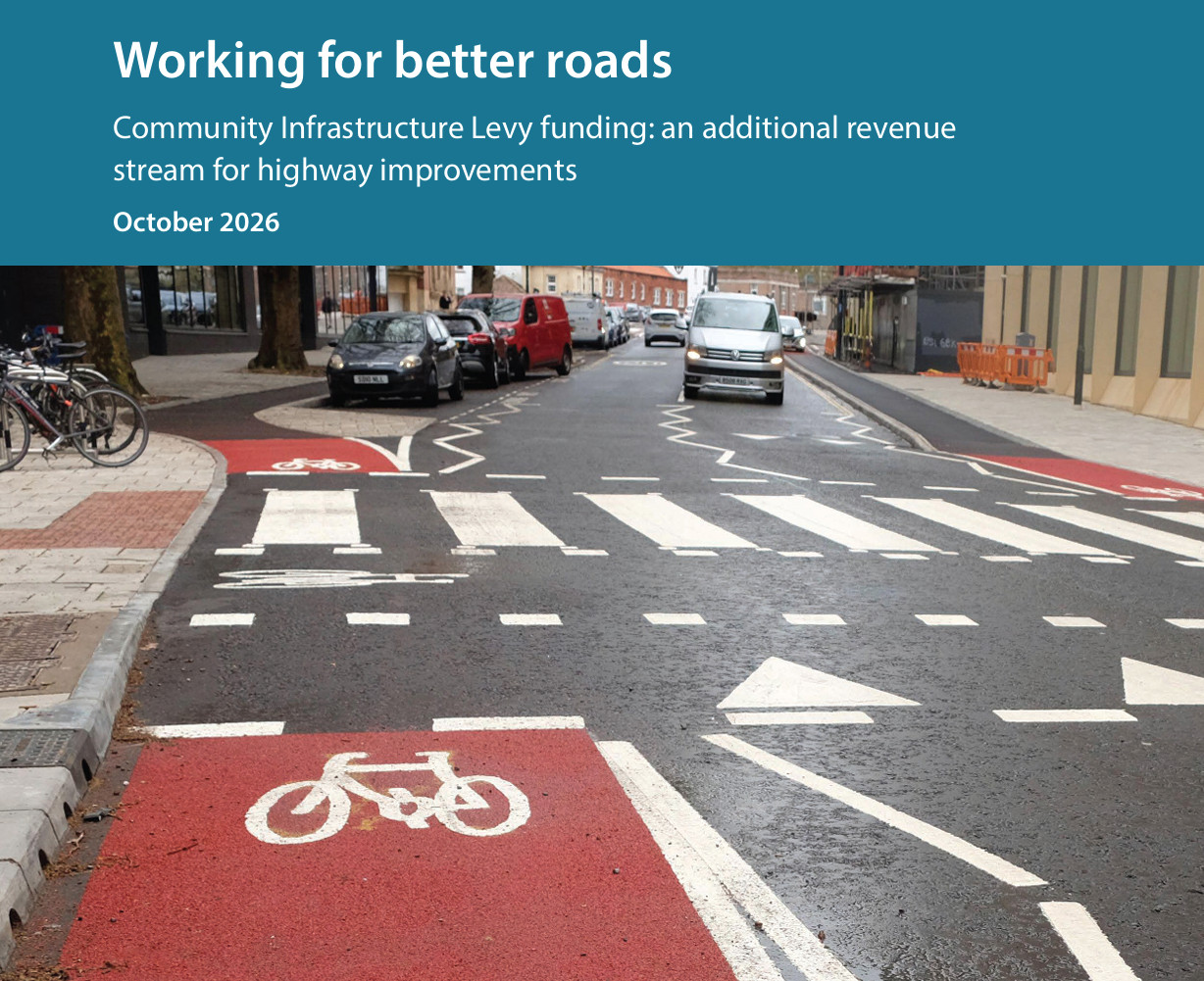
(Picture: All-Party Parliamentary Group for Better Roads)