Together for Verdant Lane, a community group focused on improving life for residents of Verdant Lane in Lewisham in South East London have published a document that outlines issues with the junction between Verdant Lane and Brownhill Road, and suggests how improvements can be made.
The group believe there is an opportunity to substantively improve this junction so cyclists and pedestrians can use it safely, in line with the Active Travel Strategy’s goals, and to properly reflect Mayor Sadig Khan’s transport strategy.
Verdant Lane is an unclassified road that, says the group, has suffered from years of inaction and prioritisation of other streets that has led to it carrying traffic equivalent to many nearby A-roads.
“Speeding vehicles, and the impact of speed cushions, are causing considerable damage and fear; quality of life for residents on and around the street is failing,” says the report.
“The A205 junction is a notorious traffic black-spot that remains unsafe, and poorly designed in terms of traffic flows. We want to work with the council and TFL to reverse these impacts and make Verdant Lane green again.”
Together for Verdant Lane’s chair, William Bloomfield, said:
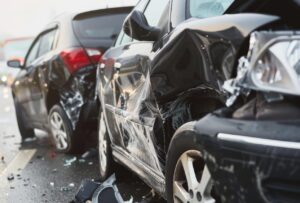
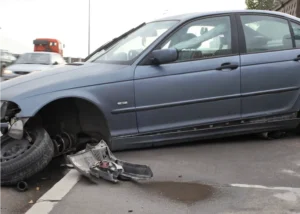
“Residents are living with repeated collisions, speeding traffic, heavy HGV movements and regular damage to parked cars, houses, street furniture and other infrastructure. The crashes are not isolated. Our evidence records a recurring pattern of collisions and near misses, including around a dozen residents’ cars damaged or written off between 2024 and 2026.
“In recent days alone, there have been two more collisions: one involving a resident’s parked car and a lamp-post, and another striking pedestrian-crossing infrastructure at the Brownhill Road junction. For residents, it increasingly feels as though Verdant Lane has become a residential street being forced to function like a major road.

“We have spent approximately two and a half years raising these issues with Lewisham Council, yet the fundamental problems remain. How many more crashes have to happen before repeated warnings turn into action?”
The scale of the problem, he maintained, goes beyond ordinary congestion. Council data in the group’s evidence pack shows that 63% of vehicles recorded on Verdant Lane were travelling above the speed limit. Residents have also documented more than 40 vehicles above 16.5 tonnes using the road in a single day, including 25 above 32 tonnes, despite 7.5-tonne weight-restriction signage.
“One of the most striking aspects of the story is that residents have repeatedly supplied evidence, photographs and practical proposals for change,” says Bloonfield. “We are not asking for another meeting about road safety. We are asking for the road to actually become safer.”
On Wednesday 9 September, Lewisham’s Mayor and Cabinet are due to consider the next phase of the Healthy Neighbourhoods programme.
“We believe Verdant Lane is an obvious test of whether ambitions around traffic reduction and road safety will translate into meaningful action on the ground,” he concludes.
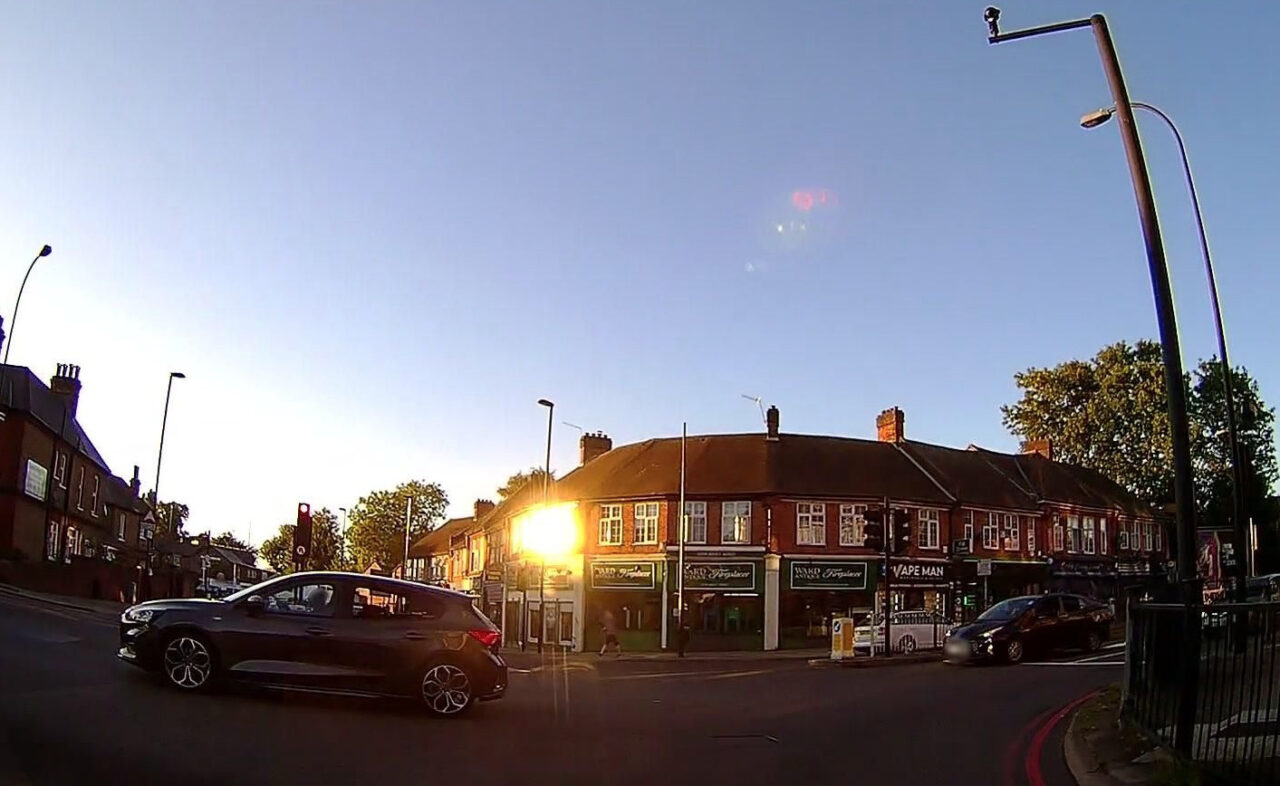
(Picture: Mapillary)