The launch of electric air taxi services linking airports with nearby cities and the growing use of digital twin technology were among a number of innovations at this week’s Farnborough International Airshow that could have significant implications for the intelligent transport systems and wider highways sector.
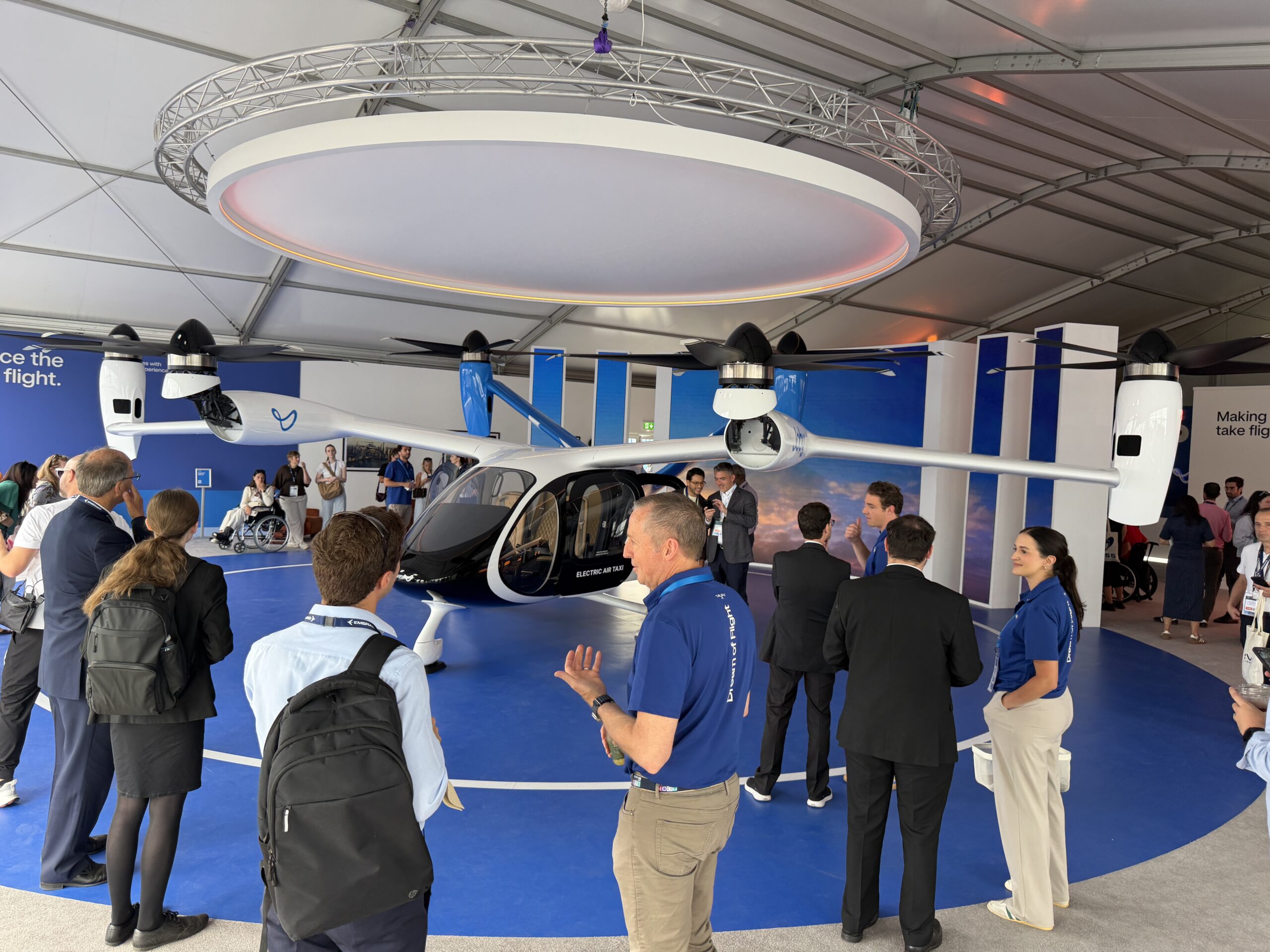
One of the headline announcements saw Joby Aviation and Virgin Atlantic sign a definitive agreement to bring Joby’s all-electric air taxi service to the UK (pictured). Under the partnership, passengers will eventually be able to book short electric flights as part of their wider journey through Virgin Atlantic’s existing booking channels, with early plans including routes such as Heathrow to central London in around eight minutes and Manchester Airport to Leeds in approximately 15 minutes.
While the aircraft themselves grabbed the headlines, the announcement is equally significant from an ITS perspective because it is about integrating new transport modes into the wider network. The challenge of managing passenger journeys across roads, rail, airports and future air mobility services mirrors the industry’s growing focus on Mobility as a Service, multimodal journey planning and smarter management of transport hubs.
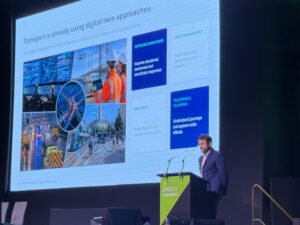
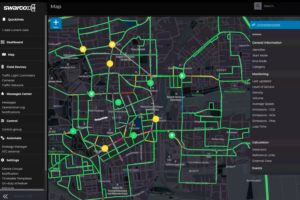
Digital twins also emerged as a recurring theme throughout the show, with aerospace manufacturers increasingly relying on virtual replicas of aircraft, systems and operations to improve maintenance, simulate performance and predict failures before they occur. That is a concept already gaining momentum across the highways sector, where digital twins are being developed for road networks, bridges, tunnels and traffic management systems to support more efficient operations and asset management.
The airshow also highlighted several other technologies with obvious crossover potential for intelligent transport. Advances in artificial intelligence are increasingly being used to support real-time operational decision making, while sensor fusion – combining data from radar, lidar, cameras and satellite positioning – is becoming central to autonomous systems. Both technologies have direct relevance to connected vehicles, traffic management and road safety.
Autonomous cargo drones, resilient communications networks, predictive maintenance and robotics were also prominent themes, demonstrating how technologies originally developed for aerospace are increasingly finding applications across surface transport. Whether inspecting infrastructure, supporting logistics or helping operators monitor assets remotely, many of the innovations on show could ultimately influence how people and goods move more safely, efficiently and sustainably on the UK’s roads.
For an industry focused on connected, intelligent and increasingly autonomous transport, Farnborough demonstrated that some of the biggest innovations shaping the future of highways may not come from the road sector itself, but from developments taking place in the skies.
(The Joby air taxi attracted much attention from air show visitors – Picture: Highways News)