Andrew Macdonald, the President of Uber UK, has predicted that driving will go the way of horse riding and that a ‘huge’ labour transition is coming. In an interview with The Times, he said:
“I’ve got a six-year-old, a three-year-old and a one and a half-year-old. I don’t think any of them are going to get driving licences,” he says. “I don’t think many people are going to need or want to drive themselves in 10 to 15 years.
“I think lots of people ride horses today because they enjoy them, but not because they are a necessary part of urban transport anymore.
“Assuming governments don’t outlaw driving, which is probably not off the table in some long-term horizon, in a world where you have fully autonomous transportation that’s safe and ubiquitous, it becomes more of a hobby or choice as opposed to a necessity.”

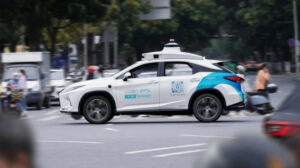
His vision may be in its early stages, but the introduction of driverless cars and robo-taxis continues apace. Thousands now operate in cities across the US including San Francisco, Los Angeles and Phoenix, and driverless vehicles will soon be available to paying passengers in London.
His words bear remarkable similarity to those of Dr Chris Urmson, who 12 years ago when Head of Google’s Self-Driving Cars project, told Highways News reporters Paul Hutton and Kevin Borras, that he foresaw driverless cars on the roads by 2019
“This is what we are working on today,” he said in 2014. “We are pushing really hard at it. My son is 11 and he’ll be able to get his driver’s licence in the US in five years – it’s my goal to have them on the road before then.”
“If you look the importance of transportation to society, if you look at the number of lives lost on America’s roads, 33,000 people every year, the equivalent of a 737 aircraft falling out of the sky every working day, those people don’t have to die,” he said at the 2014 ITS California Annual Meeting.
“90 per cent of those fatalities are caused by human error and that’s where we think the software can solve that problem. Google is fundamentally an engineering firm and we like to solve important problems and we can’t imagine a bigger or more important one to solve.”
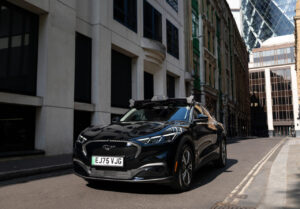
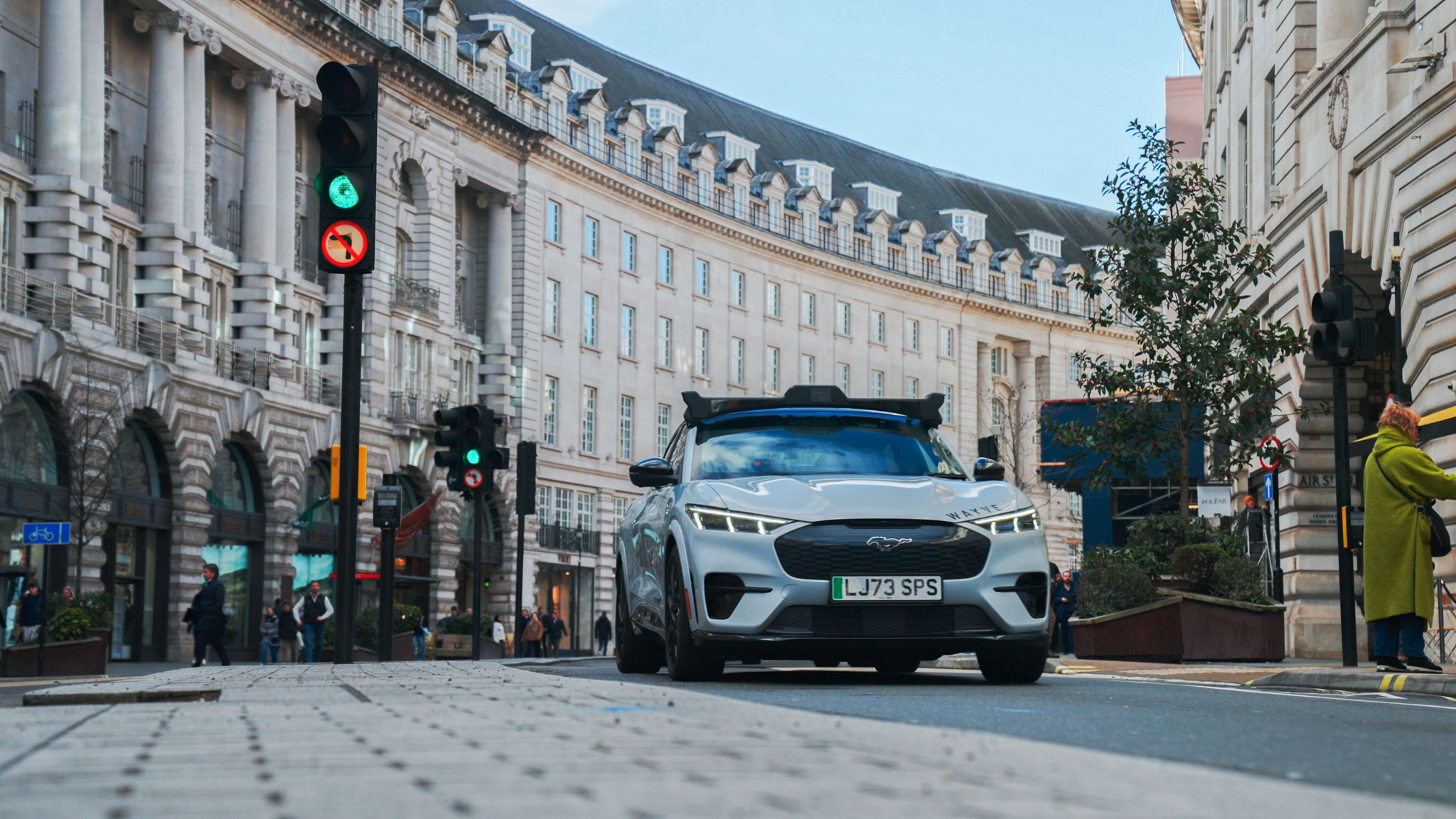
In the capital, Uber has partnered with the British start-up Wayve, whose self-driving artificial intelligence technology controls the electric Ford Mustang Mach-E cars as Uber provides the booking platform.
The Uber-Wayve trips, to be available on the app within weeks for customers who have declared their interest, will initially have a safety driver ready to take the wheel if anything goes wrong. A full driverless experience, like those in the US, will follow once the vehicles’ performance satisfies the British authorities.
Londoners seem to be sceptical, however. A recent YouGov survey commissioned by the London assembly’s transport committee found that 42 per cent opposed autonomous vehicles, compared with 29 per cent who supported them.
Still, Macdonald, a 42-year-old Canadian who was promoted last year to second-in-command behind the chief executive, Dara Khosrowshahi, predicts that London and the UK will become a key market for driverless cars.
Now Uber’s longest-serving employee – he joined in 2012, two years after the company was started – Macdonald has helped to oversee its transformation from a rapidly growing start-up to a multibillion-dollar behemoth operating in more than 70 countries and 15,000 cities.
Driverless cars are the next focus, and Uber has said it will spend $10 billion expanding its network to eventually have at least 120,000 vehicles.
(Picture: Wayve)