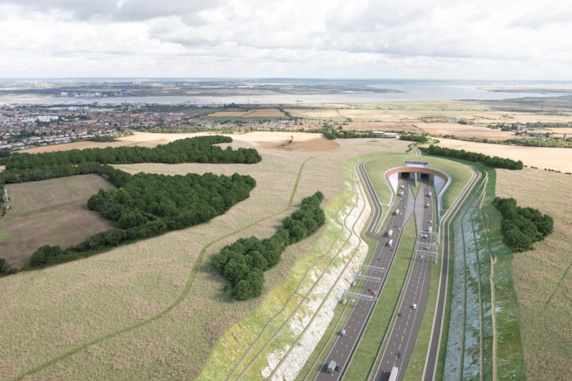
Smaller villages and residential communities around the Lower Thames Crossing could face increased pressure from lorry parking if plans for the new road proceed without a dedicated rest area, MPs have warned.
The proposed 14-mile road linking Kent and Essex is currently set to open without a service station or lorry rest facility, raising concerns that drivers needing a break could be pushed onto local roads in search of somewhere to stop.
The potential consequences could be felt particularly in smaller settlements near the new route, where unsuitable roadside parking could bring heavy goods vehicles into residential areas, adding to concerns over road safety, congestion and disturbance for local people.

Ruth Cadbury, chair of the Commons Transport Committee, raised the issue in Parliament on Thursday, describing the absence of provision for lorry drivers as evidence of a wider gap in national transport policy.
Hauliers need somewhere to stop and sleep where both they and their loads are safe, she said. Without suitable facilities, drivers using the Lower Thames Crossing could be left searching for A-road lay-bys, potentially without access to toilets, food or adequate security.
Transport Secretary Heidi Alexander has previously confirmed that there is no requirement for a rest and service area to be included in the scheme.
In correspondence earlier this year, Ms Alexander said the original proposals had included a rest area, but that the plans had subsequently been reassessed and the facility removed.
The issue is particularly pertinent in Thurrock, where Labour MP Jen Craft said inappropriate lorry parking was already a significant problem, with drivers struggling to find space at existing service stations and resorting to roads not designed to accommodate their vehicles.
She questioned whether the lack of provision on the new crossing could make the situation worse.
Ms Cadbury agreed, warning that the scheme would significantly increase traffic movements across an already busy part of the road network, particularly the number of trucks and lorries.
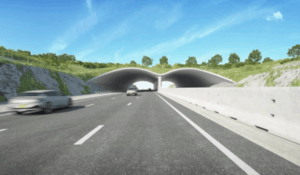
The proposed crossing will link the A2 near Gravesend with the A13 in Thurrock and the M25 near Upminster, incorporating a tunnel beneath the River Thames.
While the project is intended to improve cross-river connectivity and provide additional road capacity, the debate over lorry rest facilities raises questions about how its wider effects will be managed beyond the main route itself.
Without dedicated provision for drivers, there is a potential risk that some of the pressure could spill onto surrounding roads and into nearby communities, leaving smaller villages facing the consequences of a major infrastructure scheme without necessarily sharing in its benefits.
(Picture: National Highways)