BEAR Scotland is to replace deteriorating expansion joints and renew the carriageway on the M9 Forth Bridge near Stirling in a scheme designed to improve safety, ride quality and the structure’s service life.
The work, commissioned by Transport Scotland, covers approximately 135 metres of the motorway, an area of around 0.6 hectares. It will involve breaking out and removing the existing expansion joints, planing the road for 15 metres on either side of both joints, installing replacements and resurfacing the affected carriageway.
Transport Scotland’s environmental assessment says the existing joints are in poor condition and have a series of defects. Their replacement is expected to reduce vibration and traffic noise as vehicles cross the bridge, while the renewed surface will provide safer and smoother conditions for road users.
The scheme has a value of less than £350,000 and is programmed for completion during the 2026-27 financial year. Work was scheduled to begin on 15 September and take place over 30 nights between 8.30pm and 6am.
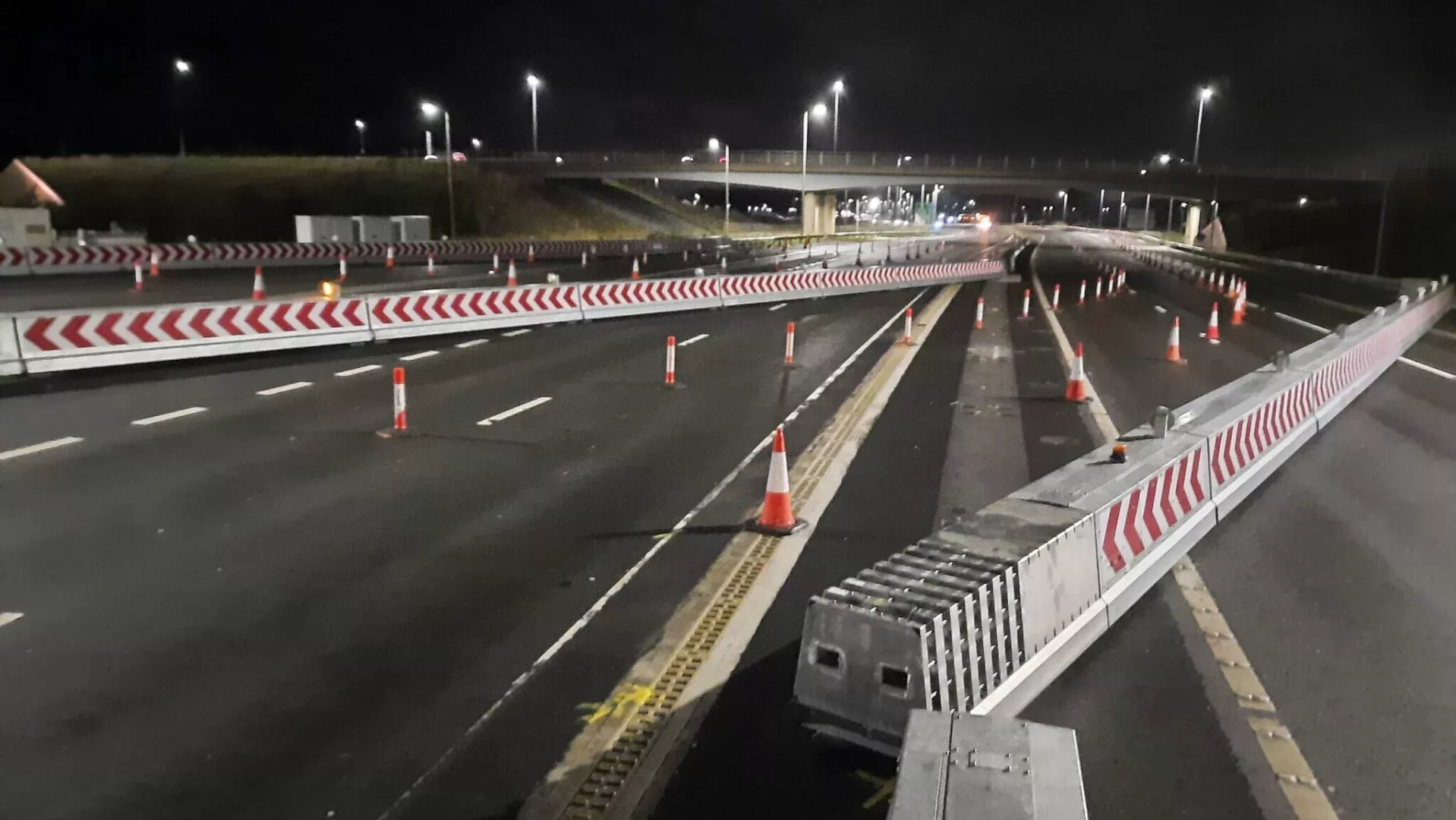
Traffic management is expected to include alternating lane closures and some full overnight closures of the M9, supported by a signed diversion route. The final diversion will be confirmed following contractor approval, with advance signs placed on the network at least seven days before closures.
The bridge carries more than 37,000 vehicles per day, but Transport Scotland says undertaking the work overnight, when traffic volumes are lower, should prevent significant congestion. The noisiest operations, including cold milling and the use of breakers, are intended to finish by 11pm wherever possible.
Environmental protection is a significant part of the project because the bridge is located directly above the River Teith Special Area of Conservation and is hydrologically connected to the Firth of Forth Special Protection Area and Ramsar site.
A Habitats Regulations Appraisal concluded that, with mitigation, the work would not adversely affect the integrity of the River Teith SAC. Measures will include screening and positioning temporary lighting to prevent direct illumination of the river, using debris netting or boarding where necessary, covering nearby drains and maintaining spill-response equipment on site.
No work is expected to take place within the water itself. Staff will also receive environmental briefings, remain alert for protected species and stop work temporarily if animals enter the working area.
The document says the scheme will use TS2010 surfacing, which has an estimated 20-year design life and permits a wider selection of aggregate sources than conventional stone mastic asphalt. Warm-mix asphalt will be used as standard, while recycled, secondary or reused materials will be specified where practicable.
Transport Scotland concluded that the project does not require a statutory Environmental Impact Assessment. It said potential effects would be temporary, short-term and limited principally to construction, with no significant residual environmental impacts anticipated.
(File picture – BEAR Scotland)