The Government is to invest £104 million in the National Cycle Network as part of a wider push to make walking, wheeling and cycling a bigger part of everyday journeys.
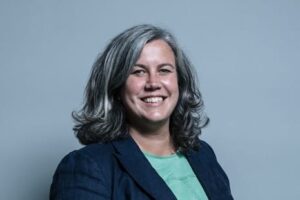
Transport Secretary Heidi Alexander said active travel should no longer be treated as an “afterthought” or “bolt-on”, as she set out the Government’s approach at the Making Active Places conference.
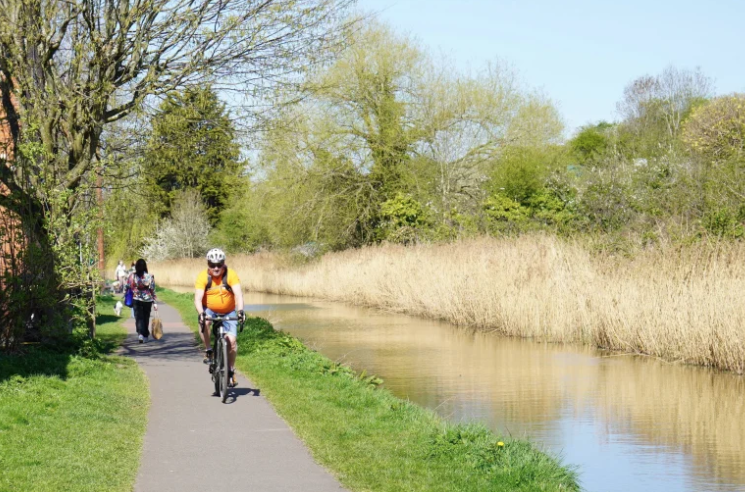
The funding will help maintain and expand the 12,000-mile National Cycle Network, including repairing bridges, updating signage and developing new routes around the HS2 line.

It comes alongside a wider commitment to invest billions in active travel by 2030, with most of the funding devolved to local authorities.
The Government also wants at least 60% of children to walk or cycle to school by 2035, building on an agreement with mayors to deliver 3,500 miles of footways, safer crossings and cycle lanes.
Ms Alexander said the aim was to give people “greater choice” over how they travel, while making different parts of the transport network work together.
“The days of active travel being an afterthought, or a bolt-on, must end,” she said. “Instead, I think we need to see walking, wheeling and cycling for what they are: essential parts of everyday journeys.”
She pointed to Greater Manchester’s Bee Network as an example of what can be achieved when active travel is planned as part of a wider transport system.
The network recorded 700 million active travel trips last year, according to the Transport Secretary, with new infrastructure such as the Chorlton Cycle Way and Oxford Road helping to increase use.
Alexander also stressed the importance of giving local leaders the power to make decisions about issues such as pavement parking, school streets and local walking and cycling routes.
“I’ve always felt the levers of power must be held locally,” she said.
The Government’s approach is built around a national framework, with delivery led by mayors and councils and supported by Active Travel England.
Ms Alexander said the case for active travel went beyond transport, arguing that more walking, wheeling and cycling could help reduce congestion, improve high streets, support health and reduce pressure on the NHS.
“When Andy [Burnham] talks of giving people hope, I see the millions of extra journeys we’re unlocking by foot, by cycle or wheels – journeys that connect us to jobs, to friends, to the things that matter most,” she said. “When Andy talks of places in which we’re proud to live, I see roads that are less congested and more safe. High streets with a new lease of life.”
Ms Alexander also drew on her own experience as a lifelong cyclist, from cycling to work in London because she could not afford a travel card to helping deliver segregated cycle lanes while Deputy Mayor of London.
But she said the wider objective was about giving people the freedom to choose how they travel.
“In the end, active travel is more than just another way to get around,” she said.
“It’s about connecting people with the lives they aspire to lead. While designing places in which we all aspire to live.”
(Picture: Worcester City Council)