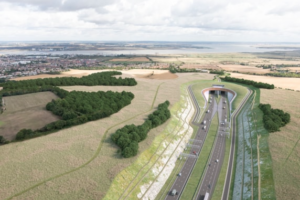
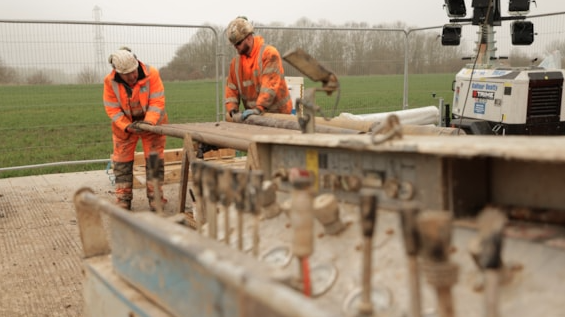
The first visible signs of the Lower Thames Crossing are now emerging in Kent and Essex, as early construction and environmental works get under way on the £10.6bn road project.
The BBC has been given exclusive access to some of the preparatory work taking place along the route, including the creation of a new wetland at Coalhouse Point, the construction of haul roads and preparations for the future tunnel under the River Thames.
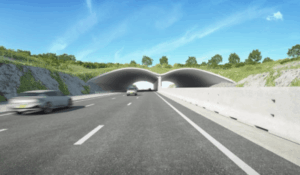
National Highways is developing the 14.5-mile (23km) crossing, which will connect Kent and Essex via two tunnels beneath the Thames. The organisation has described it as the greenest large-scale construction project ever undertaken in the UK.
However, the scheme continues to face opposition from environmental campaigners, who have raised concerns over the loss of ancient woodland as well as the potential impact on traffic and local communities.
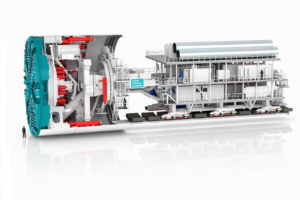
The tunnel boring operation is expected to begin in autumn 2028, with the crossing currently scheduled to open to traffic in the mid-2030s. The plans were approved in 2025.
According to the BBC, one of the most visible elements of the early works is taking place at Coalhouse Point, where earth is being moved to create a new wetland habitat.
Nick Clark, head of nature at the Lower Thames Crossing, told the BBC that the new wetland will cover an area equivalent to around 50 football pitches. It forms part of a wider programme intended to create new habitats and mitigate changes to the landscape during construction.
The project is also beginning to establish the infrastructure needed to support the main construction programme. New haul roads are being built to enable construction vehicles and materials to move around the site.
Where possible, the routes are intended to provide access for materials arriving from the docks without adding to traffic on local roads.
The scale of the works means the physical footprint of the crossing is therefore becoming apparent well ahead of the main tunnel construction and the eventual opening of the new road.
Environmental groups remain critical of the scheme. Andrea Griffiths of the Campaign to Protect Rural England told the BBC that she did not believe the crossing represented the best use of public money, arguing that greater consideration should have been given to moving freight by rail. She also questioned whether the project’s environmental measures could compensate for the loss of ancient woodland in Kent.
With enabling and preparatory works now visible on the ground, the project is moving from the planning phase into a construction period that will progressively reshape parts of both counties
(Picture: National Highways)