
WJ Group is calling on highway authorities and asset managers to take a more strategic approach to the specification and maintenance of road studs, positioning them as a core component of modern road safety strategies rather than a secondary consideration.
Martin Webb, Innovation Director at WJ explains:
“Over the last decade or so, we’ve seen a stagnation in road safety improvements, and with a renewed focus on correcting this trend from the current government, the need for clear, reliable delineation should be a priority in helping deliver this. Road studs play a vital role in this, particularly in low-light conditions and adverse weather, where visibility is even more important.
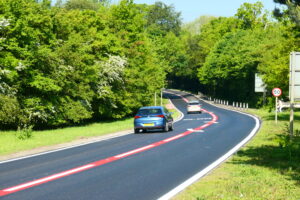
“By providing consistent retroreflectivity and clear visual guidance, they help drivers better understand road layout, maintain lane discipline and navigate the road safely, especially on high-speed routes, rural roads and complex junctions.”
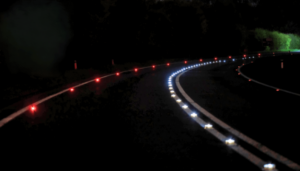
Innovation is also strengthening the case for greater adoption and investment. Developments such as solar-powered LED or ‘active’ road studs are improving visibility even further, reducing reliance on traditional street lighting, which can lower energy consumption and carbon emissions.
Research demonstrates that road studs have a significant influence on driver behaviour, and by reinforcing lane positioning, clearly marking layouts and boundaries, they support more predictable driving patterns and reduce the likelihood of lane drift or late decision-making, consequently improving safety.
Further research shows users perceive an increased level of safety where active road studs are used at junctions, with 93% of respondents reporting improved safety levels. This contribution to driver confidence and clarity is an important, yet sometimes underestimated, factor in reducing collision risk across the network.
Despite these benefits, road studs have historically not received the same level of attention as other highway assets such as pavements or structures. However, this is beginning to change as authorities increasingly adopt data-led asset management approaches.
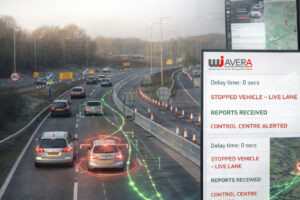
By treating road studs as measurable, maintainable assets, and monitoring their condition, it becomes possible to plan interventions more effectively and ensure consistent safety outcomes.
These technologies not only enhance safety performance but can also contribute to sustainability goals by reducing maintenance requirements and supporting longer asset lifecycles.
A proactive approach is essential to unlocking the full value of road studs. Integrating them into wider asset management frameworks alongside road markings and other safety measures enables highway authorities to identify deterioration early, prioritise maintenance based on evidence and make more efficient use of budgets. This shift from reactive to planned maintenance is key to maintaining consistent safety standards across the network.
(Picture: WJ Group)